1. Introduction — Why I Had to Rethink Coverage
When I first signed up to drive for Uber and Lyft, I assumed my personal auto insurance would automatically cover me. I mean, my car was insured, right? Wrong. Almost immediately, I realized that not all drivers are eligible for standard rideshare coverage, and the fine print in policies can be ruthless.
I was scared — if something happened, would I be personally responsible for thousands of dollars? That fear is what pushed me to dig deep into rideshare insurance eligibility. What I learned would have saved me a lot of stress if I had known it earlier.
2. Discovering Eligibility Rules — The First Shock
Eligibility isn’t just about having a car and a clean driving record. I ran into these hurdles early on:
-
Age and driving experience: Some insurers require a minimum age of 21 or 25, and at least 3 years of driving history. I barely qualified in my first year of rideshare.
-
Vehicle type: My older sedan was initially rejected because some insurers only cover vehicles newer than 10 years or with certain safety features.
-
Personal auto history: One minor accident on my record almost disqualified me from affordable policies.
I remember feeling frustrated and anxious, thinking, “I just want to drive safely and legally — why is it this complicated?”
3. My Emotional Rollercoaster — Getting Approved
After several calls and a mountain of paperwork, I finally got approved for my first rideshare policy. The process involved:
-
Verifying my driving record online
-
Providing vehicle information, including VIN and safety features
-
Filling out extensive questionnaires about previous claims
During this process, I felt anxious, skeptical, and at times ready to give up. But I also learned that patience and attention to detail mattered more than speed.
4. Who Really Needs Rideshare Insurance?
From my experience and conversations with other drivers, here’s a simple breakdown:
| Driver Type | Eligibility Need | My Experience / Notes |
|---|---|---|
| Full-time Uber/Lyft | High | Required to have full rideshare coverage; no exceptions. |
| Part-time drivers | Moderate | Personal auto may cover some risks; supplemental rideshare coverage recommended. |
| New drivers with clean records | High | Easier approval, but must meet age and vehicle criteria. |
| Older vehicles | Variable | Some policies exclude older cars; must shop around. |
| Drivers with prior accidents | Moderate/High | Policies available but premiums higher; careful comparison essential. |
This table helped me see where I fit and understand the decisions I had to make regarding coverage.
5. Pain Points I Encountered
Even after being approved, the challenges didn’t end:
-
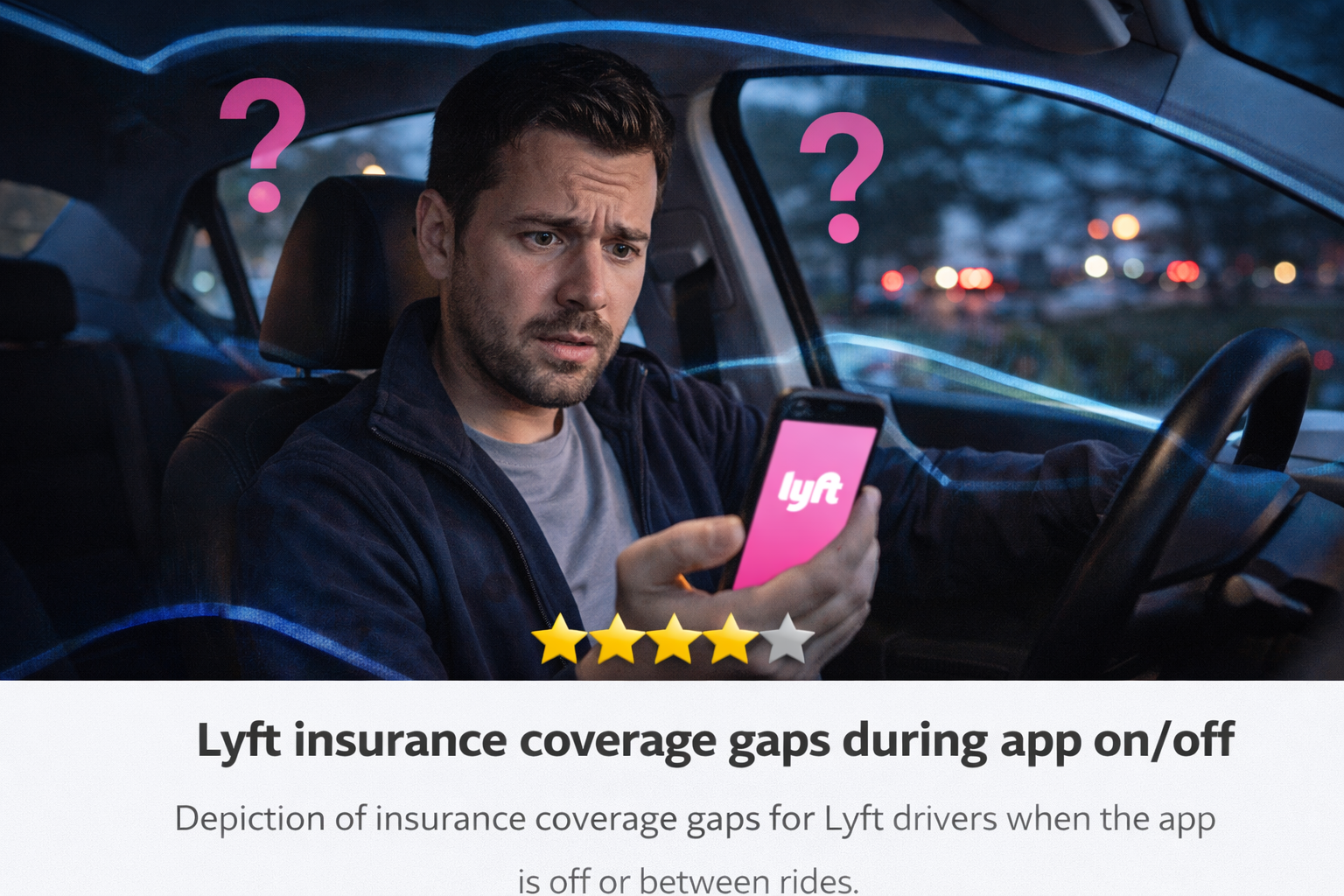
Confusing coverage periods: I almost didn’t realize my policy didn’t cover me when the app was off. One evening, a minor collision happened while waiting for a ride — luckily, I had learned from previous mistakes and knew to check eligibility carefully.
-
High premiums for riskier drivers: Drivers with prior tickets or accidents often pay double or triple. I had friends in this situation, and the stress is real.
-
Misleading agents: Some agents promise “full coverage for any situation,” but the fine print often excludes certain scenarios.
I vividly remember calling my insurer in frustration after my friend’s claim was denied because the accident happened during a gray period — technically “between rides.” That frustration felt universal among new drivers I connected with online.
6. Comparing Options — Eligibility vs. Coverage
After a few months, I realized eligibility isn’t the only factor — choosing the right plan matters too. Here’s a comparison I put together:
| Plan Option | Eligibility Ease | Coverage Scope | Monthly Cost | Pros | Cons |
|---|---|---|---|---|---|
| Personal Auto + Rideshare Add-On | Medium | Partial (Period 1 gaps possible) | $80 | Affordable, supplemental | Coverage gaps when app off |
| Specialty Rideshare Policy | High | Full coverage (Periods 1–3) | $120 | Clear terms, high protection | Higher monthly premium |
| Relying on Platform Only | Easy | Period 2–3 | $0 | No cost, minimal paperwork | Zero coverage when app off, low limits |
Creating this table was eye-opening. It made me feel empowered — I could finally see where my risk was and which plan fit my situation best.
7. How I Improved My Process
Through trial and error, here’s what worked for me:
-
Document everything: Keep screenshots of app status during rides.
-
Ask direct questions: “Does this policy cover me during Period 1 if my personal auto has exclusions?”
-
Compare multiple providers: Don’t settle for the first quote. Some specialty policies are surprisingly affordable if you shop around.
-
Join driver communities: Forums and Facebook groups saved me time and money by sharing tips on eligibility pitfalls.
After implementing these steps, my anxiety dropped, and I felt much more secure driving, knowing I met eligibility requirements and had proper coverage.
8. Lessons Learned and Advice
Looking back, the lessons are clear:
-
Eligibility is just the starting point. Make sure the policy actually covers all periods of rideshare activity.
-
Your driving history matters. Minor accidents can affect rates, so transparency with insurers is key.
-
Documentation and patience save headaches. Don’t skip this step — it will help during claims.
-
Compare options carefully. Sometimes paying a bit more upfront saves thousands later.
Ultimately, getting rideshare insurance is not just about ticking a box — it’s about understanding your risk and taking control. My journey from confusion and anxiety to confidence shows that with the right approach, even a new or part-time driver can navigate eligibility successfully.