Do I need extra insurance for DoorDash and Instacart?
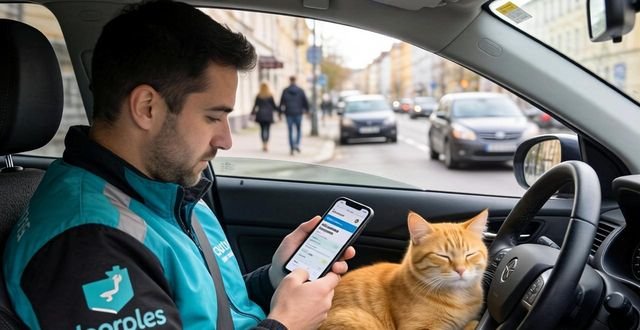
You’re logged in, it’s a busy Tuesday dinner rush, and you just picked up a double batch from Chipotle. Then it happens. A guy on his phone drifts into your lane, and you clip his bumper. No one’s hurt, but your car’s front fender is crunched. You exchange info, take a breath, and call your insurance. That’s when your stomach drops. “Sorry, we don’t cover delivery driving.”
I’ve been there, sitting in my parked car on the side of a suburban street, wondering how I’m going to pay for two grand in bodywork. Most of us start delivering with DoorDash or Instacart thinking our personal auto policy is totally fine. And for the first few weeks, it is. You drop off groceries, you pick up tacos, you drive home. Nothing happens. Then one small mistake, or someone else’s mistake, and suddenly you’re staring at a denial letter.
Here’s the reality that no one tells you when you sign up. Your standard personal car insurance has a little clause hidden somewhere in the fine print. It says something like “excluded: commercial use or delivery of goods for a fee.” Insurance companies aren’t dumb. They know that driving for work isn’t the same as commuting to your office or running to Target. You’re on the road more hours, often during peak traffic, checking your phone,watching for apartment numbers, maybe eating a sandwich while you merge. The risk goes way up. So when you file a claim after a crash that happens while you have the app on, they ask one question: “Were you logged into a delivery platform at the time?” If you say yes, they close your file.
And DoorDash? Instacart? They offer some coverage, but it’s not what you think. While you’re actively on a delivery—from the moment you tap “accept” until you swipe “completed”—they provide contingent liability. That sounds good until you read the caps. DoorDash’s policy has a $1,000 per incident deductible for collision claims, and that only applies if you already have comprehensive and collision on your personal policy. Plus, it’s excess coverage, meaning your own insurance has to deny you first. But wait. Your personal insurance already denied you because you were working. So you’re stuck in a loop. And their liability limits are often just state minimums, which won’t cover a serious injury lawsuit if you rear-end a Tesla.
There’s also this huge gray zone called Period 1. That’s when you’re logged into the app, waiting for an order, but haven’t accepted anything yet. You’re driving around, parking near that busy Panda Express, scrolling through Reddit. During Period 1, both your personal policy and the company’s policy usually say “not it.” DoorDash explicitly states their coverage starts when you accept an order. Your personal policy says you’re excluded the second you open the app for business. So that gap? It’s big enough to drive a truck through. And that’s exactly where a lot of accidents happen. You’re distracted, looking for a hotspot, maybe you run a stop sign.

So what’s the answer? You buy what’s called rideshare insurance for delivery drivers. Some insurers call it “transportation network company” coverage or “delivery driver endorsement.” It sits on top of your personal policy and fills that exact hole. For maybe twenty to forty extra dollars a month, your personal policy now agrees to cover you during Period 1, and sometimes during Period 2 and 3 as well. Progressive, State Farm, Allstate, and a few regional carriers offer this. You call them, you say “I do DoorDash and Instacart, maybe ten to fifteen hours a week,” and they add the endorsement. A handful of specialty companies like Buckler or GMI even sell standalone commercial policies for gig drivers that replace your personal policy entirely.
I remember the first time I added rideshare insurance to my plan. The agent on the phone paused and said, “You know this means your premium will go up by about thirty-two dollars, right?” I almost said no. Thirty-two bucks is three delivery runs, maybe four. Then I thought about that fender crunch I already paid for out of pocket. Thirty-two dollars versus two thousand. The math wasn’t hard. That was two years ago. I’ve never had to use it, and I hope I never do. But every evening when I log into Instacart and see that first batch of organic strawberries and gluten-free crackers, I feel a tiny bit calmer. Because I know if a minivan backs into me while I’m waiting at Kroger, my insurance will pick up the phone.
Here’s the hard truth. More than half of delivery drivers are driving without proper coverage right now. They don’t know, or they think it won’t happen to them, or they figure they’ll just lie if there’s a crash. Lying is a terrible bet. Insurers investigate. They’ll pull your app data, your GPS history, even your chat logs with customers. When they catch you, they deny your claim, drop your policy, and mark you in a database called CLUE. Then every other insurance company sees you as a fraud risk, and your future rates go through the roof, if they’ll even insure you at all.
So my advice, after years of delivering in rain, snow, and summer heatwaves? You don’t have to buy the most expensive commercial policy. You don’t have to quit your gig work. You just need to make one call to your current insurer. Ask them: “Do you offer a rideshare or delivery driver endorsement in my state?” If they say no, call another company. Do it this week. Not next month, not after the holidays. Because the accident doesn’t wait for a convenient time. It shows up on a random Tuesday when you’re just trying to make your rent. And when it comes, you want to be covered. Not hoping, not lying, not praying. Just covered.