Florida Rideshare Insurance Rules You Must Know
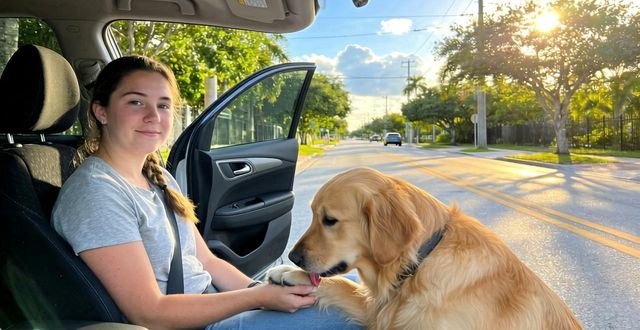
Let me paint you a picture. It’s a humid Tuesday evening in Orlando, and you’re behind the wheel with a surge fare blinking on your screen. You pick up a young couple heading to Disney Springs. Three blocks later, a distracted driver runs a red light. Your car folds like an accordion. Everyone’s shaken but okay. Then comes the question that makes your stomach drop: Does your insurance cover this?
If you’ve been driving for Uber or Lyft in the Sunshine State without digging into the fine print, you’re basically playing poker with a stacked deck. Florida’s regulations around rideshare insurance aren’t just a bureaucratic maze—they’re a trap designed to let carriers laugh all the way to the bank while you foot the bill for someone else’s fender bender.
Here’s the raw truth. Most personal auto policies contain a little grenade called the “livery exclusion.” That’s the insurance industry’s polite way of saying “we won’t pay a dime if you were hauling paying passengers when the crash happened.” I’ve seen drivers lose everything—their car, their savings, their ability to work for six months—because they assumed their Geico or Progressive plan had their back. Spoiler: it didn’t.
Florida law tries to patch this hole, but the patch is full of its own leaks. State statute 627.748 requires TNCs like Uber and Lyft to provide contingent liability coverage. Sounds good on paper, right? Until you read the actual numbers. During Period 1—that’s when you have the app on but haven’t accepted a ride yet—Uber’s coverage is only contingent. That means if your personal carrier denies the claim, Uber might step in. But “might” isn’t a checkbook. And their liability limit sits at $50,000 for bodily injury per person. One trip to a Florida ER after a moderate crash eats through that faster than a gator through a chicken wing.
Period 2 and 3, when you’ve accepted a ride or have a passenger inside, offer better limits: $1 million. But here’s the kicker that most drivers don’t realize—those million-dollar policies come with deductibles you didn’t choose, and they only cover damages after your personal insurance says no. Meanwhile, your own insurer has already dropped you for violating the livery clause. Now you’re holding a stack of medical bills, a totaled Honda Civic, and a legal notice from your own insurance company saying “not our problem.”
I spent four months talking to drivers across Miami, Tampa, and Jacksonville. One guy, a former teacher who switched to Lyft after budget cuts, told me he assumed his rideshare endorsement from State Farm was enough. It wasn’t. That endorsement only covers the gap between his personal policy and Lyft’s contingent coverage. But when his tire blew out on I-95 and he hit a guardrail, State Farm pointed to the endorsement’s small print: “Does not apply while logged into the app but waiting for a ride request.” He was in Period 1. Endorsement zeroed out. Lyft said “contingent” means we pay only if your personal policy pays first, which they didn’t. So no one paid. He’s still making payments on a car that’s sitting in a salvage yard.

Florida’s regulations are unique in one ugly way: no mandatory requirement for drivers to carry primary commercial insurance. Compare that to New York or California, where the state forces TNCs to provide primary coverage from the moment you log on. Here? The legislature decided to let the market decide. And the market decided to point fingers while drivers get crushed.
What should you actually do if you live in Florida and drive for a rideshare app? Stop trusting the company’s cheerful onboarding videos. Go buy a commercial auto policy with a rideshare endorsement that explicitly covers all three periods. Yes, it’ll cost you an extra $100 to $200 a month. Yes, that’s painful. But one at-fault accident without it will cost you $50,000 minimum. Math isn’t hard.
Also, never assume your personal agent knows what they’re selling. I called five different agencies in Broward County posing as a new driver. Three of them sold me a “rideshare add-on” that I later discovered only covers Period 2 and 3. Two of them didn’t even know that Florida’s contingent laws exist. You’re your own advocate here. Read the policy language yourself. Look for the phrase “primary coverage” during Period 1. If it says “excess” or “contingent,” walk away.
And here’s the cynical truth that no regulator will tell you: Florida’s system works exactly the way the insurance lobby wants it to. They profit from confusion. Every driver who gets denied pushes premiums up for everyone else. Every lawsuit against a TNC ends with a settlement that gets passed back to drivers through higher fees. You’re not a partner. You’re a revenue stream with a steering wheel.
So next time you log into that app, remember the couple at Disney Springs. Remember the blown tire on I-95. Then ask yourself: is that surge fare worth the risk of spending the next three years in small claims court? If your answer is yes, you’d better have a commercial policy in your glove box. If not, maybe it’s time to rethink why you’re driving in the first place. Florida sun is hot, but the legal heat from a denied claim burns way longer.