On-Demand Drivers: Do You Need Rideshare Insurance?
Let’s be real. You open the app, tap “Go,” and suddenly you’re not just driving—you’re running a small business from your front seat. But here’s the question that keeps popping up in forums, over coffee breaks, and during those long waits between airport runs: what happens to your personal auto policy the second you turn on that rideshare mode?
I’ve been there. Sitting in my car at two in the afternoon, sipping lukewarm coffee, waiting for that first ping. My old insurance card sat in the glovebox like a safety blanket. Except it wasn’t safe at all.
Most drivers assume their personal policy has their back. That’s a risky bet. See, standard personal auto insurance contains a quiet little exclusion buried in the fine print—something about “livery” or “commercial use.” The moment you log into Uber, Lyft, or any on-demand platform, you’ve crossed that line. If you get into an accident while waiting for a ride request, your personal insurer can (and often will) deny the claim. Flat out. No coverage, no appeal, nothing.
Now, the platforms do provide some liability coverage, but only during certain periods. Period one: app on, waiting for a match. That’s the gray zone. Uber and Lyft typically offer contingent liability in this phase, but with low limits and zero coverage for your own car’s physical damage. Period two: you’ve accepted a ride and are en route to pick up. Coverage steps up. Period three: passenger in the car. That’s full commercial coverage from the platform. But period one? The longest stretch of your shift? That’s where drivers fall through the cracks.
So what’s the fix? You need a rideshare endorsement added to your personal policy, or a dedicated commercial policy designed for on-demand drivers. The endorsement is cheaper—usually twenty to forty bucks a month—and it plugs that gap in period one. Your car gets collision and comprehensive coverage during those waiting minutes. Your liability stacks properly. No more sweating every yellow light.

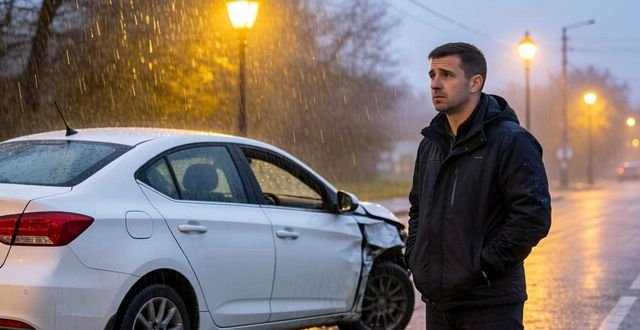
I learned this the hard way. A buddy of mine, Marcus, drove nights for eighteen months on just his personal GEICO policy. He thought he was golden because he never had an accident. Then one rainy Tuesday,a deer jumped out right as he was heading to pick up a passenger. Totaled his front end. GEICO denied the claim the moment they saw his app open on the phone mount. He had to pay twelve grand out of pocket. That’s when I called my own agent and added the endorsement the same day.
Different states handle this differently. California has stricter rules. New York is a whole other beast. But the principle remains universal: if you’re an on-demand driver, your personal policy alone is a lie waiting to happen. Call your insurer and ask specifically for “rideshare gap coverage.” If they look confused, switch companies. Progressive, Allstate, and Farmers all offer it now. Some smaller regional carriers do too.
A lot of drivers skip this because they think, “I’m careful. I drive slow. Nothing will happen.” But insurance isn’t about your driving. It’s about the other guy—the one texting, the one running the red light, the one who had three beers at lunch. You can’t control them. You can only control whether you’re covered when they hit you.
So here’s my honest advice, not as an expert but as someone who’s logged ten thousand miles on these apps: stop gambling. That twenty or thirty bucks a month is the cheapest business expense you’ll ever buy. It’s not glamorous. It doesn’t get you more rides or better tips. But when that deer jumps out, or that drunk driver drifts into your lane, you’ll be the one sleeping peacefully while Marcus is still paying off his repair loan.
Open your insurance app right now. Check your declarations page. If you don’t see the word “rideshare” anywhere, you’re not covered. And tomorrow morning? Make that phone call. Your future self will thank you.