Rideshare Accident Insurance: What Every Driver Should Know
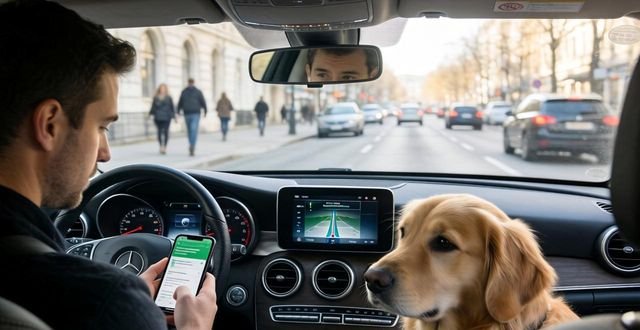
Picture this: You are driving for a rideshare company on a rainy Tuesday evening. The app is on, you just dropped off a passenger, and you are heading toward a busy intersection to catch the next ride request. A second of distraction, a sudden brake, and then the crunch of metal. Another car swerved into your lane, but the police report says you were also at fault. Now the real question hits harder than the collision itself: Does your insurance cover this?
For millions of drivers juggling gig work, that question often comes too late. The confusion around rideshare insurance coverage for accidents has left many people paying out of pocket for damages that they assumed were fully protected. Let us walk through the messy reality of how coverage actually works, phase by phase, because the difference between a small deductible and a devastating financial hit comes down to one thing: knowing exactly where you stand in the app’s lifecycle.
The moment you open the rideshare app, your personal auto policy starts to crack. Most standard personal car insurance policies contain a little-known exclusion buried in the fine print. They call it the “livery exclusion.” That fancy word simply means any vehicle used for transporting people or goods for a fee falls outside the protection of a personal plan. So if you are logged into Uber, Lyft, or any similar platform, and you have not told your insurance company about it, your personal policy will likely deny any claim arising from an accident during that time. That steel cage you thought was protecting you? It vanishes the instant you go online.
But wait, the rideshare companies promise coverage too, right? They do, but only in specific windows and with significant gaps. The common misunderstanding is that a driver is automatically covered from the second they turn on the app. That is dangerously wrong. Let us break the driving activity into three distinct periods, because each one treats accident liability completely differently.
Period one is the “app on, waiting for a ride request” stage. You are driving around, perhaps heading to a busier part of town, but no passenger has accepted the trip yet. In this phase, the rideshare company typically provides only contingent liability coverage. That means if you cause an accident and hurt someone else or damage their property, the company may step in, but only after your personal insurance denies the claim. Even then, the coverage limits are usually the bare minimum required by law, often just state-mandated liability figures. What about damage to your own car? Nothing. Zero. Comprehensive, collision, towing, rental reimbursement – none of that exists here unless you bought a special rideshare endorsement on your personal policy. Without that endorsement, your own vehicle sits naked in the storm.
Period two begins the moment you accept a ride request and are en route to pick up the passenger. Now the coverage picture shifts. The rideshare company activates primary liability coverage, typically with higher limits, often $1 million for bodily injury and property damage. That sounds generous until you realize it still only applies to what you do to others. Your own car’s physical damage? Still not covered, unless the accident is deemed the other driver’s fault and their insurance pays. But what if you hit a deer? What if a tree branch falls on your hood? What if you skid on black ice and crash into a guardrail with no other vehicle involved? In those common, solo-accident scenarios, the rideshare company offers no help for your repairs. You are left holding the tow truck bill and the mechanic’s estimate, often totaling thousands of dollars.
Period three is when the passenger is physically inside your car. This is the most protected stage. The rideshare company’s commercial policy now provides both liability and contingent comprehensive/collision. That means if you have comprehensive and collision coverage on your personal policy, the rideshare company will extend similar coverage for damage to your car during this active trip, though subject to a hefty deductible, typically $2,500. That is far higher than the $500 or $1,000 deductibles common in personal policies. So even in the best case, you could still be writing a check for $2,500 before any repair work begins.
Now consider a real scenario. Sarah, a driver in Austin, thought she was fully covered because she had full coverage on her personal Geico policy. She never mentioned rideshare driving to Geico. One night, with the app on but no trip accepted, she ran a yellow light that turned red and t-boned another vehicle. Both cars were totaled. Her personal insurance denied the claim due to the livery exclusion. The rideshare company offered liability for the other driver’s injuries, but for her own car? Zero. She owed $18,000 on her car loan and had no car to drive. That is the nightmare that happens every day to drivers who assume rather than verify.
So what is the solution? The industry has created a product called a rideshare endorsement or a hybrid policy. Major insurers like State Farm, Allstate, Progressive, and Farmers now offer add-ons to personal auto policies specifically designed for gig drivers. For an extra $15 to $50 per month, depending on your state and driving record, this endorsement fills the gaps during period one and period two. It typically extends your comprehensive and collision coverage to apply even when the app is on but no passenger is aboard. Some endorsements also reduce the rideshare company’s $2,500 deductible down to your regular deductible amount. Without this endorsement, you are essentially gambling that an accident will only happen during period three, which is statistically the shortest window of driving time.

Another path is a full commercial auto policy. For drivers who spend more than twenty hours per week on rideshare platforms, a commercial policy might actually be cheaper than a personal policy plus endorsement, once you factor in the higher liability limits and the elimination of coverage gaps. Companies like Progressive Commercial and Liberty Mutual offer specialized plans for rideshare drivers. The upfront cost looks intimidating, but compare it to the financial ruin of a single uncovered accident. A $30,000 car loan gone in a moment, plus medical bills, plus potential lawsuits from injured passengers – those numbers dwarf any monthly premium.
Do not forget about uninsured and underinsured motorist coverage either. In a rideshare accident, if the other driver has no insurance and you are at low fault, who pays for your medical rehab? Your personal health insurance might help, but deductibles and copays can drain savings fast. A proper rideshare policy should include UM/UIM coverage to protect your own body, not just your car.
Some states have started regulating this mess more aggressively. California, for example,requires rideshare companies to provide primary coverage for their drivers from the moment the app is on, not just after a ride is accepted. But even in those states, the deductible for physical damage to your car can still be sky high. And most other states remain wild west territory where the responsibility falls entirely on the driver to piece together the right mix of policies.
What about injuries you cause to your own passenger? That falls under the rideshare company’s contingent liability during periods two and three, but if you did something reckless like driving with a suspended license or using a car that failed inspection, the company might deny coverage and leave you personally exposed. One drunk driving arrest while online? You could be paying medical bills for a decade.
The emotional toll matters too. Anxiety sits in the back of every informed driver’s mind. That knot in your stomach every time you merge onto a highway or brake in the rain. You cannot eliminate all risk, but you can shrink it from terrifying to manageable. The single most powerful step is to call your insurance agent today, not tomorrow, and ask the two magic words: rideshare endorsement. If they look confused, hang up and call another company. Specialized knowledge matters here.
Some drivers try to cheat the system by simply not telling their insurer about rideshare work, hoping that a minor fender bender will go unnoticed. That strategy collapses the moment an accident involves injuries or police reports. Insurance companies have entire fraud investigation departments. They check social media, they interview witnesses, they can subpoena your rideshare trip logs. When they discover the unreported commercial use, they will not only deny the claim but also cancel your policy and mark your record, making future insurance expensive or impossible to find.
Let us return to that rainy Tuesday evening. You are at the crash scene, heart pounding, exchanging information with the other driver. Your phone shows the rideshare app was online, but no trip active. Without a rideshare endorsement, you might as well be driving uninsured. The tow truck arrives, the police finish their report, and the long weeks of calls with claims adjusters begin. Will you be the driver who prepared ahead of time, paid that extra $30 a month, and sleeps soundly knowing the gap is closed? Or will you be the cautionary tale that other drivers hear about in online forums, the one who lost everything because of a paperwork loophole?
The choice is yours, but the road is unforgiving. Every mile you drive for hire carries a hidden risk that your regular insurance refuses to acknowledge. Acknowledge it yourself. Get the right coverage. Drive with the confidence that comes from knowing, not guessing. Because accidents happen in a second, but the bills last for years.