Rideshare Endorsement: Why You Need It
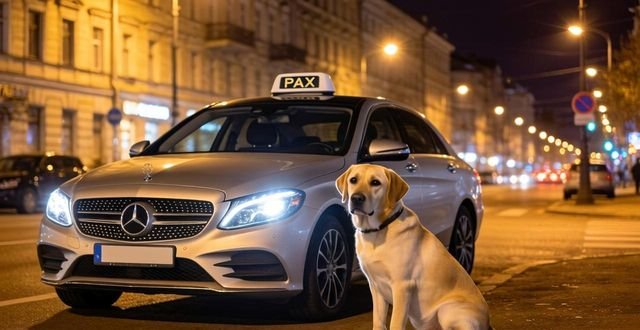
“The only thing we have to fear is fear itself,” Franklin Roosevelt once said. But when it comes to driving for Uber or Lyft, the real fear isn’t fear—it’s the gaping hole in your auto policy. You’ve probably heard about the rideshare insurance endorsement, but do you actually know what it does? Let’s walk through a typical Tuesday.
Picture this: You’re a driver in Austin, Texas. Your personal car insurance is paid up, you’ve got a clean record, and the app is on. You’re heading to pick up a passenger when—bam—someone runs a red light. Who pays? Here’s where most drivers get stuck. Your personal policy excludes commercial activity. Uber’s contingent liability kicks in only after you accept a ride. That middle period—when the app is on but you haven’t matched with a rider yet—is a legal gray zone. And that’s exactly where the rideshare endorsement steps in.
So what is this endorsement, really? It’s an add-on to your personal auto policy, typically costing fifteen to thirty dollars a month. Not a fortune. But it rewrites the rules for Period 1—that waiting phase. Without it, your insurer can deny everything. With it, you keep your collision and comprehensive coverage active even while you’re cruising for fares. Some policies also extend liability during that period, though limits vary by state. California, for example, mandates higher thresholds than Texas. You have to check your local laws.
Why do so many drivers skip it? Three reasons, usually. First, they think “I’m a safe driver.” Second, they assume Uber’s policy covers everything. Third, they see the extra premium and decide to gamble. Let me give you a quick data point: According to a 2024 study by the Insurance Research Council, nearly one in four rideshare drivers has been in an at-fault accident during Period 1. That’s not a rare event. That’s a Tuesday afternoon. And when claims get denied, drivers end up paying out of pocket—repairs, medical bills, even lawsuits. The endorsement isn’t just a piece of paper. It’s a shield.
Now, you might ask: Doesn’t Uber already provide liability? Yes, but only contingent liability. That means if you don’t have your own coverage in Period 1, Uber’s won’t respond until a third party demands it—and even then, it’s bare bones. No physical damage to your car. No medical for you. Just the other guy’s property and injuries. Meanwhile, you’re stuck with a totaled Honda Civic and a $20,000 ER bill. The endorsement flips that equation. It makes your personal policy primary during Period 1, then secondary once you accept a ride. Seamless. No finger-pointing between insurers.
Let’s go deeper. How do you actually buy one? Call your agent or log into your carrier’s app. Companies like Geico, Progressive, and Allstate offer rideshare endorsements in most states. But not all. State Farm has a different product called a “rideshare gap” endorsement. You need to ask the exact question: “Does my policy include coverage for Period 1 when the app is on but I have no passenger?” If the agent hesitates, ask for the endorsement form number. Then read it. Look for the phrase “transportation network platform” or “TNC.” That’s your magic language.

A friend of mine in Denver skipped the endorsement for two years. Then one night, he hit a deer while waiting for a ride request. His personal insurer said no—commercial use exclusion. Lyft said no—no passenger, no coverage. He ended up paying $7,800 for repairs, plus a rental car. After that, he started telling every new driver he met: “Get the endorsement. It’s cheaper than one month of car payments.” He’s right. The math is simple. For the cost of two pizzas a month, you remove a catastrophic risk.
But wait—does the endorsement cover the moment you’re driving to pick someone up? Yes, that’s Period 2. Most endorsements extend coverage there too, though your personal policy will often coordinate with Uber’s. The real beauty is continuity. No more mental gymnastics about when you’re “working” versus “not working.” You turn on the app, you’re covered. You turn it off, you’re back to personal. It’s a switch, not a maze.
Now, let’s talk about the skeptics. Some drivers argue that the endorsement is overkill because accidents are rare. Let me reframe that: The probability is low, but the severity is enormous. You’re not insuring against a fender bender. You’re insuring against a six-figure liability judgment after a pedestrian steps off the curb. One lawsuit can wipe out years of driving income. The endorsement costs less than a tank of gas. Which risk sounds smarter?
So how do you decide? Start with your state’s regulations. In New York, rideshare drivers are required to carry a TNC endorsement. In Florida, it’s optional but strongly recommended by every major insurer. Next, look at your driving habits. Do you drive late at night? Weekend bar hours? Higher accident risk. Do you drive in dense cities with lots of cyclists and scooters? Higher liability exposure. Then call three carriers and ask for quotes with and without the endorsement. Compare the difference. If it’s under $20 a month, buy it without thinking.
To wrap up,remember another quote, this time from Benjamin Franklin: “An ounce of prevention is worth a pound of cure.” The rideshare insurance endorsement is that ounce. It doesn’t make you invincible. No policy does. But it closes the most dangerous gap in modern driving—the moment between logging on and picking up. You’re already doing the hard work of driving safely, keeping your car clean, and managing your ratings. Don’t let a paperwork loophole undo all of that. Check your policy today. If the endorsement isn’t there, ask for it. Then drive with one less worry in the back of your mind.