Rideshare Insurance Gaps: What Covers You Between Trips?
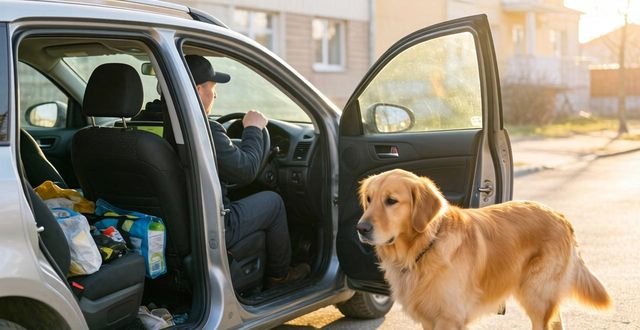
Ever found yourself sitting in your car, waiting for that next ping on the rideshare app, and a sudden worry hits? You’re not actively driving a passenger, so are you actually covered? It’s a gray area that trips up many drivers. I’ve been there, staring at my phone in a grocery store parking lot, wondering if my personal auto policy would even blink if something happened right then.
The core of the confusion is the period. The period when you’re logged into the app, available,but haven’t accepted a ride yet. Your personal insurance likely says no. They see you as working, even if you’re not moving. The rideshare company’s commercial policy? That often only kicks in after you’ve accepted a ride and are en route to pick up the passenger. So, what fills that gap? That wait can feel incredibly long when you’re unprotected.
Think of it like this. You’re a fisherman with your line in the water. You’re not actively reeling in a fish, but you’re definitely not just swimming for fun. You’re in a state of purpose. Most standard insurance sees you as already fishing. Rideshare specific insurance is designed to cover that waiting time, that crucial phase where you’re neither here nor there in the eyes of other policies. Without it, a fender bender in the lot could mean you’re personally on the hook for everything.
The cost isn’t prohibitive. It’s an endorsement, a rider, added to your existing policy. You talk to your agent, explain you drive for a platform, and they outline the options. Some companies offer it seamlessly. It bridges the dangerous gap between your personal coverage and the platform’s commercial coverage. Why risk your financial safety for the minutes or hours you spend waiting? The peace of mind is worth the monthly addition.

You might ask, is it really necessary? Consider the alternative. An accident occurs while you’re logged on and waiting. You file with your personal insurer. They investigate, discover the app was active, and likely deny the claim for material misrepresentation or commercial use exclusion. You’re left with repair bills, potential liability, and a massive headache. That scenario is the very reason this coverage exists.
Data from insurance adjusters shows a significant portion of rideshare incidents happen in parking zones or low-speed areas, often during that available period. You’re checking the map, you’re distracted for a second. It happens. Having the right coverage turns a potential disaster into a manageable incident. It’s not about if you’re a careful driver; it’s about being prepared for the unpredictable nature of being on the road, even when stationary.
So, what’s the action? Review your current policy. Have that frank conversation with your provider. Don’t assume you’re covered. The onus is on you to know the limits. The platforms provide some coverage, but the starting line for their liability is often the accepted trip, not the open app. Protect your waiting time. Protect your livelihood. It’s a simple step that anchors your entire driving venture in security. The gap is real, but closing it is straightforward.