Rideshare Insurance Requirements: What Drivers Often Miss
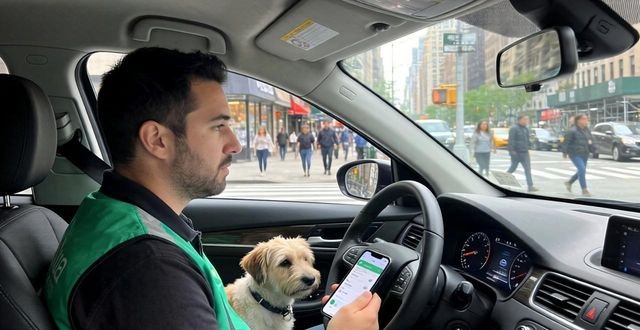
So you just signed up to drive for Uber or Lyft. You’ve got a clean car, a phone mount, and a playlist ready. Then someone mentions “rideshare insurance requirements” and suddenly it feels like you’re back in school trying to decode fine print. Here’s the truth that no app notification will ever spell out for you: your personal auto policy was never built for this.
Let me paint you a scene. It’s a rainy Tuesday evening. You’re between trips, heading to a busy pickup zone, no passenger in the back yet. A kid runs out chasing a ball. You swerve, hit a mailbox. The damage? Fifteen hundred bucks. You call your insurance, calm at first. Then the agent asks, “Were you driving for a rideshare service at the time?” Your stomach drops. Because in that gray zone—app on, no rider—many personal policies simply wave goodbye. That’s where the rideshare insurance gap lives.
Why does this gap even exist? Think like an actuary for a second. Personal car insurance assumes low risk: you drive to work, the grocery store, maybe a weekend trip. But the moment you log into that driver app, your exposure changes. More miles, more nights, more distracted driving from checking your phone for pings. Insurers don’t hate you; they hate surprises. So they draw a line. Some policies exclude all commercial activity outright. Others offer a rideshare endorsement—a little add-on that costs twenty to forty dollars a month. That endorsement is the handshake between your personal policy and the liability coverage that Uber or Lyft provides.
Here’s what those apps don’t advertise. While you have a passenger in the car, the company’s commercial policy kicks in, usually with up to a million dollars in liability. Sounds great, right? But wait. That coverage often has gaps for collision or comprehensive damage to your own vehicle. If you don’t carry comprehensive and collision on your personal policy,the company’s contingent coverage won’t pay a dime for your crumpled bumper. So you’re left holding the tow truck receipt.
Now shift to Period 1—app on, waiting for a ride request. This is the most misunderstood phase. Uber’s liability coverage here is limited or nonexistent in many states. Lyft says they provide contingent liability, but contingent means “we’ll pay only if your personal policy says no.” And if your personal policy denies the claim altogether because of rideshare activity? Good luck finding a friendly adjuster. I’ve talked to drivers in Austin and Denver who assumed they were fully covered, only to learn the hard way that “contingent” is insurance-speak for “maybe.”
So what do you actually need to check? Open your policy declarations page. Look for an exclusion titled “livery,” “conveyance for hire,” or “public or livery conveyance.” Those are code words for any paid transport. If you see those words without a rideshare endorsement attached, your personal policy will reject a claim during Period 1 or Period 2 (driving to pickup). That’s not a bug; that’s the design.
But here’s where it gets even trickier. Some drivers think, “I’ll just buy commercial insurance.” Have you priced that lately? A full commercial auto policy for rideshare can run two hundred to six hundred dollars a month. That’s real money. Yet for full-time drivers in cities like Chicago or San Francisco, that may still be the safer bet. Why? Because a commercial policy doesn’t play the “period” game. It covers you from the moment you leave your driveway to the moment you park. No gaps. No finger-pointing between your personal insurer and the rideshare company.

Now let’s talk about the state laws, because they are anything but uniform. New York requires rideshare companies to provide primary coverage from the moment you accept a trip. California passed Proposition 22, which forced platforms to offer more robust insurance but still left the Period 1 loophole open. Texas? Mostly caveat emptor—let the driver beware. The requirement that actually matters isn’t what the state says; it’s what your individual contract with the insurer says. And that contract is written by lawyers who’ve seen every possible claim.
So what’s the practical move? Do this tonight. Call your insurance agent. Ask three questions out loud. One, does my current policy exclude rideshare activity? Two, do you offer a rideshare endorsement? Three, if not, what’s the cheapest commercial policy you can recommend? Write down the answers. If the agent hesitates or says “you’re probably fine,” switch agents. That hesitation is the smell of a denied claim.
I remember talking to a driver in Seattle who had everything sorted—rideshare endorsement, comprehensive coverage, the works. Then one night a deer ran across the highway during Period 1. No passenger. App on. Her personal insurer paid the claim without a fight because the endorsement explicitly covered that period. She paid thirty-two dollars extra a month. The repair bill was seven thousand. You do the math.
The real requirement, the one no app shows you, is this: know exactly what your policy says about the moments between trips. Because those moments are the minefield. Rideshare insurance isn’t about satisfying some abstract rule. It’s about not going bankrupt from a fender bender on your way to pick up a stranger.
One last thing to chew on. Some drivers skip extra coverage because they think “I’m a safe driver.” But safe doesn’t matter when the other guy runs a red light. Or when a drunk driver sideswipes you while you’re waiting at a stoplight with the app online. Liability from the other driver’s policy may max out at state minimums—like ten or fifteen thousand dollars. That doesn’t even cover a modern car’s bumper repair. So whose insurance fills the rest? Yours. Or not, if your policy excludes rideshare.
Don’t let the jargon scare you. “Rideshare insurance requirements” is just a fancy way of saying: protect your own wheels before you protect someone else’s ride. Call your insurer tomorrow morning. Not next week. Tomorrow. The mailbox won’t hit itself.