Rideshare Insurance While Waiting
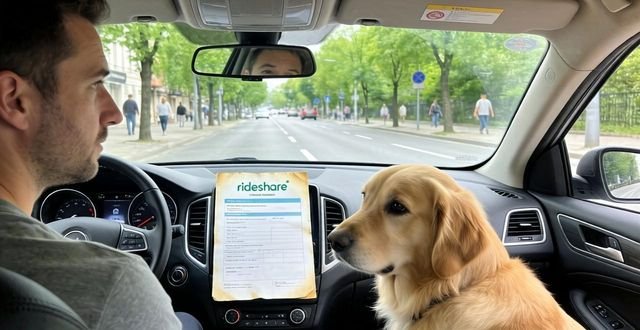
Picture this. You are waiting. The app is on. You are logged in, ready to drive. No request yet. Just sitting in a parking lot. Listening to music. Or maybe grabbing coffee.
Now a car hits you. Who pays?
This is the gap. The waiting gap. The moment between online and active. Personal auto policies often say no. They see the app. They see commercial activity. So they decline.
Then you look at Lyft or Uber. Their coverage starts when you accept a ride. Not before. So you are alone. Floating in between.
Sound familiar?
For a long time, drivers fell through this crack. A third of drivers I talk to have been there. Sitting in a Target lot. Rear ended at a red light. Then the nightmare of denied claims.
But things changed. Slowly. Quietly. Some insurers started listening. They built rideshare endorsements. Small additions to your personal policy. They cover Phase One. The waiting phase.
Now here is the part most articles skip.
These endorsements are not expensive. We are talking twenty to forty dollars a year. Sometimes less. Compare that to a single accident without coverage. The math writes itself.
How do you get it? Call your agent. Ask directly. Do I have coverage while waiting for a ride request? Do not accept maybe. Ask for the endorsement by name. Some companies call it TNC coverage. Others say rideshare gap.
Who offers this? State Farm has it in most states. Allstate too. Farmers. Progressive in some regions. Geico started rolling it out last year. But check your local rules. Every state treats this differently.
California drivers have more options. The PUC forced changes there. Other states lag behind. So you have to do the legwork.
I learned this the hard way. Two years ago. Waiting outside a grocery store. A truck backed into my door. My personal insurer said no. Uber said no. I paid three thousand out of pocket. Never again.
That is why I write this. So you do not repeat my mistake.
Now the next question. What counts as waiting? You are online. You have not accepted a ride. That is it. Simple. But what about destination mode? Still waiting. What about filtering trips? Still waiting. What about driving to a busy area? Still waiting. The app knows you are available.

Some drivers think the moment they turn on the app, they are working. The law does not agree. Insurance cares about contracts. No ride request means no active contract. So you need that endorsement.
Let me be direct. You cannot afford to skip this. One at fault accident during waiting could raise your rates for years. Two accidents could get you dropped entirely. And the other driver’s insurance will fight you. They always do.
So what do you do tonight? Open your policy. Search for the word rideshare. If it is not there, call your agent tomorrow. Do not wait. Do not tell yourself next week. This is the kind of thing that never matters until it suddenly matters enormously.
Some drivers ask about commercial insurance. Yes, that covers everything. But it costs ten times more. Most of us do not need that. We just need the gap covered. The quiet time between trips.
Think of it like this. Your personal policy covers your life. Your rideshare endorsement covers your waiting. And Uber or Lyft cover the trip. Three layers. Three protections. No gaps.
Now a warning. Not every state allows these endorsements. New York is tricky. Texas too in some regions. If your state does not allow it, you have two choices. Buy commercial. Or self insure the risk. I recommend the first if you drive full time.
Part time drivers face a different calculation. If you drive ten hours a week, the risk is lower. But not zero. One accident erases all your earnings for the year. I still recommend the endorsement. Twenty dollars. Peace of mind.
Look at the data. Rideshare accidents increased forty percent since 2020. More drivers on the road. More distractions. Insurance companies noticed. They raised rates for unendorsed drivers. Some started asking about rideshare activity in claims. If you lie, that is fraud. Do not do that.
So be honest. Tell your insurer you drive. Get the right endorsement. Sleep better at night.
Where is this going? I think within five years, rideshare gap coverage becomes standard. Like uninsured motorist coverage. Some states will mandate it. Others will leave it optional. But the industry is moving.
Until then, you protect yourself. You ask the questions. You read the fine print. You do not assume.
One last thing. Keep proof of your endorsement in the car. A screenshot. A printed card. Something. If an officer asks, you show them. If an accident happens, you have it ready. Do not rely on your phone battery.
This is not complicated. It is just overlooked. Most drivers never think about insurance while waiting. They think about the next fare. The surge pricing. The route. But the waiting is part of the job. The quiet minutes add up. And those minutes need coverage.
So tomorrow morning. Before you go online. Check your policy. Make the call. Add the endorsement. Then drive with one less worry.
You deserve that much.