SR22 for Uber drivers? Here’s your fix
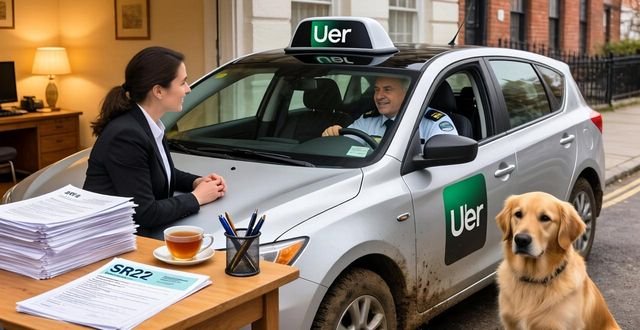
So you’re driving for Uber or Lyft, and then life throws you a curveball—a DUI, too many tickets, or a lapse in coverage. Now the state says you need an SR22. And you’re thinking, “Can I even keep doing rideshare with that on my record?”
Short answer: yes, but your regular rideshare insurance policy won’t cut it alone.
Let me paint you a real scene. Last year, a buddy of mine in Denver got pulled over after a couple of beers at a friend’s place. Stupid mistake, he admits it. License suspended for six months, then reinstated with an SR22 requirement. He’d been driving for Lyft part‑time for two years, making decent extra cash to help with his kid’s tuition. Suddenly he thought his gig was over.
But here’s what he learned—and what you need to know too.
SR22 isn’t actually insurance. It’s a certificate your insurance company files with the state to prove you carry at least the minimum liability coverage. Think of it as a “badge of high risk” that you have to wear for about three years. Without it, no legal driving. But with it, most standard personal auto policies will still cover you for everyday driving.
The catch is rideshare. When you turn on that app and go online, your personal policy—even an SR22‑tagged one—typically won’t cover you during Period 1 (waiting for a ride request) or Periods 2 and 3 (en route to pick up, or having a passenger in the car). That’s where rideshare endorsements or specialized rideshare policies come in.
So you need two things working together: a personal policy that files your SR22, plus a rideshare rider or a hybrid policy that bridges the gap. Not every insurer offers both. Progressive, for example, handles SR22 filings in most states and also offers a rideshare endorsement in many areas. Geico and Allstate can do the SR22, but their rideshare add‑ons vary wildly by state. Smaller regional carriers like Mercury or Safeco might say no once they see the SR22 on your record.

Here’s a trick that saved my friend three weeks of headaches. Instead of calling the big names first, he went to an independent agent who specializes in non‑standard insurance. That agent knew exactly which carriers in Colorado would combine an SR22 policy with a rideshare endorsement. Turned out,one lesser‑known company—Bristol West—did it for only about forty bucks more a month than his old premium. Was it cheap? No. He went from paying $120 to $210 monthly. But he kept his gig, and during those three years, he drove clean and finally got the SR22 removed last spring.
If you’re in this spot, don’t hide the SR22 requirement when you shop. Be straight with the agent or the online quote tool. Some drivers make the mistake of buying a rideshare policy first, then asking the insurer to add the SR22 later—and get rejected because the company’s underwriting rules don’t allow SR22 filings on commercial‑use policies. Always start with the SR22 request, then ask, “Can I add a rideshare endorsement to this same policy?”
One more reality check: your rates will hurt. No way around it. An SR22 flags you as high risk, and rideshare adds more exposure because you’re on the road so many hours. But if you compare it to losing your entire driving income, the math works. Some drivers also drop their coverage limits to state minimums to save cash—just know that if you cause a serious accident, minimum limits can leave you personally on the hook for tens of thousands. Not worth it.
What about the filing itself? When you find the right policy, the insurer sends the SR22 form electronically to your state’s DMV. Keep proof in your glove box next to your insurance ID card. And never, ever let the policy lapse. If you do, the insurer is required by law to notify the DMV immediately, and your license gets suspended again. That means no rideshare, no personal driving, no nothing. Set up auto‑pay and mark your renewal date on a calendar you actually check.
After three years of keeping a clean record—no new violations, no missed payments—you can ask the insurer to remove the SR22 filing. The state sends you a confirmation, and your rates eventually start dropping. By then, you might also qualify for a standard rideshare policy again.
So if you’re staring at that SR22 notice and worrying about your next ride, take a breath. It’s a hassle, not a dead end. Find an agent who knows the high‑risk market, pay the higher premium for a couple of years, and drive like your license depends on it—because right now, it really does.