Urban Driving Skills, Safety Tips, Traffic Navigation, and Modern Mobility Guide
Meta Title (SEO Title)
City Drivers Guide: Urban Driving Tips, Safety Rules & Traffic Navigation
Meta Description
Learn essential city driving skills, traffic navigation strategies, safety tips, and urban mobility techniques for modern city drivers in busy environments.
Focus Keyword
city drivers
Introduction: Who Are City Drivers?
City drivers are individuals who operate vehicles in urban environments where traffic is dense, roads are complex, and driving conditions change rapidly. Unlike highway driving, city driving requires constant attention, quick decision-making, and strong awareness of surroundings.
With increasing urban populations and growing transportation demands, the role of city drivers has become more important than ever. Whether driving personal vehicles, taxis, delivery cars, or ride-sharing services, city drivers must master a unique set of skills to ensure safety and efficiency.
This guide explores essential knowledge, skills, and strategies for becoming a confident and safe city driver.
1. What Makes City Driving Different?
City driving is significantly different from rural or highway driving due to several factors:
- Heavy traffic congestion
- Frequent stop-and-go movement
- Pedestrians and cyclists
- Traffic lights and intersections
- Narrow roads and limited parking spaces
These conditions require drivers to stay alert at all times and adapt quickly to changing situations.
2. Essential Skills for City Drivers
2.1 Situational Awareness
City drivers must constantly monitor:
- Surrounding vehicles
- Pedestrian movement
- Traffic signals
- Road conditions
Awareness helps prevent accidents and improves reaction time.
2.2 Defensive Driving
Defensive driving means anticipating potential hazards before they happen.
Key principles include:
- Keeping a safe following distance
- Avoiding sudden lane changes
- Predicting other drivers’ behavior
- Staying calm under pressure
2.3 Navigation Skills
Modern city drivers rely heavily on GPS and navigation apps, but understanding road layouts is equally important.
Skills include:
- Reading road signs quickly
- Understanding alternate routes
- Avoiding traffic congestion areas
- Planning efficient routes
2.4 Parking Ability
Urban areas often have limited parking space.
Drivers must master:
- Parallel parking
- Reverse parking
- Tight-space maneuvering
- Parking regulations
3. Common Challenges Faced by City Drivers
3.1 Traffic Congestion
Rush hours in cities can significantly slow down travel time and increase stress.
3.2 Aggressive Driving Behavior
City roads often include impatient or aggressive drivers, requiring calm responses.
3.3 Pedestrian Density
High pedestrian activity increases the risk of unexpected crossings.
3.4 Road Complexity
Multiple lanes, intersections, and one-way streets can be confusing.
3.5 Weather Conditions
Rain, fog, and heat waves can further complicate driving conditions.
4. Safety Tips for City Drivers
4.1 Always Follow Traffic Rules
Respecting traffic signals and road laws is essential for safety.
4.2 Avoid Distracted Driving
Do not:
- Use your phone while driving
- Eat or drink excessively
- Adjust navigation systems while moving
4.3 Maintain Safe Distance
Keeping space between vehicles reduces accident risk.
4.4 Use Indicators Properly
Always signal before turning or changing lanes.
4.5 Stay Calm in Traffic
Stress can lead to mistakes. Staying calm improves decision-making.
5. Technology Supporting City Drivers
Modern technology has transformed urban driving.
5.1 GPS Navigation Systems
Help drivers find fastest routes and avoid traffic jams.
5.2 Traffic Monitoring Apps
Provide real-time updates on road conditions.
5.3 Smart Parking Systems
Assist drivers in finding available parking spaces.
5.4 Dash Cameras
Improve safety and provide evidence in case of accidents.
6. Role of City Drivers in Urban Mobility
City drivers play a key role in transportation ecosystems:
- Supporting public transportation gaps
- Delivering goods and services
- Enabling ride-sharing platforms
- Reducing transportation delays
They are essential to keeping cities functioning efficiently.
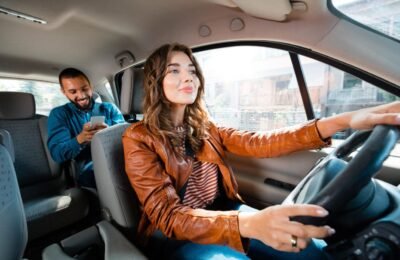
7. Professional City Drivers (Taxi & Ride-Sharing)
Many city drivers work professionally in:
- Taxi services
- Ride-sharing platforms
- Delivery services
Professional drivers must also focus on:
- Customer service
- Route efficiency
- Vehicle maintenance
- Time management
8. Fuel Efficiency and Cost Management
Driving in cities often leads to higher fuel consumption due to stop-and-go traffic.
Tips for efficiency:
- Avoid unnecessary acceleration
- Maintain steady speed when possible
- Keep tires properly inflated
- Reduce engine idling time
Efficient driving reduces costs and environmental impact.
9. Environmental Impact of City Driving
Urban driving contributes to:
- Air pollution
- Carbon emissions
- Noise pollution
Eco-friendly driving practices include:
- Using hybrid or electric vehicles
- Carpooling
- Reducing unnecessary trips
- Following eco-driving techniques
10. Future of City Driving
The future of city driving is evolving rapidly with new technologies:
10.1 Electric Vehicles (EVs)
More city drivers are switching to electric cars for sustainability.
10.2 Autonomous Vehicles
Self-driving technology may reduce human driving errors.
10.3 Smart City Infrastructure
Cities are developing intelligent traffic systems.
10.4 Ride-Sharing Expansion
Platforms continue to reshape urban transportation.
Conclusion
City driving is a demanding but essential part of modern urban life. City drivers must develop strong awareness, defensive driving skills, and adaptability to handle complex traffic environments.
With the help of technology and proper training, city drivers can improve safety, efficiency, and overall driving experience while contributing to smoother urban mobility.
Related Articles You May Find Helpful