Does Rideshare Insurance Cover Roadside Help?
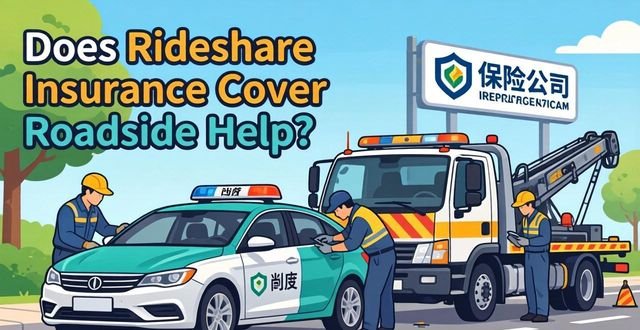
So you are driving for Uber or Lyft, and suddenly your car decides to throw a tantrum right in the middle of the highway. Flat tire. Dead battery. Or that embarrassing moment when you run out of gas because you were too busy chasing surge pricing. Been there, felt that panic. Your first thought? Call a tow truck. Your second thought? Who is going to pay for this expensive nightmare.
Not so fast. Before you assume your personal auto policy has your back, let me stop you right there. Most standard personal car insurance policies look at you like a stranger the moment they discover you were online with a rideshare app. They will cross their arms, shake their head, and say sorry, not our problem. That is where rideshare insurance coverage for roadside assistance enters the conversation, but only if you have been paying attention to the fine print.
Here is the ugly truth that no gig economy cheerleader will tell you. The coverage period inside a rideshare trip is split into phases, like some kind of cruel video game level. Phase zero? You are offline, just driving around grabbing coffee. Your personal policy might cover roadside help there, but read carefully because many basic plans exclude towing beyond a few miles. Phase one hits when you turn on that app and wait for a ride request. Now you are in a strange limbo land where your personal insurer backs away slowly and the rideshare company’s contingent coverage gives you a half hearted wave but rarely includes actual roadside assistance. They will tell you to handle it yourself and maybe reimburse you later, good luck with that paperwork nightmare.
Phase two is when you accept a ride and head to pick up the passenger. And phase three, the golden moment when someone sits in your backseat. During those two phases, the rideshare company’s commercial policy typically provides liability coverage, but roadside assistance? That is still mostly your problem. Unless you specifically added a rideshare endorsement to your personal policy that explicitly names flat tire service, battery jump starts, fuel delivery, and lockout help as part of the deal.
Let me paint you a real world picture that happened to a driver in Austin last month. Sarah was driving a family of four to the airport at five in the morning. Her tire blew out on the shoulder, no warning, just that violent thump and the car swerving. She called her rideshare company’s support line first. They put her on hold for twelve minutes, then transferred her three times, and finally said roadside assistance was only available if she purchased their premium driver protection plan, which she had declined because the monthly fee seemed too high for something she thought she would never need. Then she called her personal insurer, State Farm. They said sorry sweetheart, but you were online with passengers, so this is excluded. Go talk to the commercial policy. The commercial policy said they only cover injuries and damage to other people’s property, not mechanical breakdowns or flat tires on your own vehicle. Sarah ended up paying three hundred and forty dollars for a tow to the nearest tire shop and missed an entire morning of fares.
That is the hidden tax of gig work that nobody prints on the recruitment posters.
Now here is what the insurance industry does not want you to figure out too quickly. Some forward thinking companies like Allstate and Progressive have started offering rideshare endorsements that actually bundle a reasonable roadside assistance benefit. But they hide it behind confusing names like “transportation network coverage enhancement” or “rideshare gap protector.” You have to call them, not just click a box online, and ask the agent directly: does this policy include towing and mechanical labor costs when I am in phase one, two, or three? And if they say yes, get it in writing. An email. A pdf. Something you can wave in their face later.

But wait, there is another twist in this already twisted tale. Even if your rideshare insurance coverage for roadside assistance technically exists, most policies impose a per incident cap,usually fifty to one hundred dollars. A single tow in a major city costs one hundred fifty dollars on the low end. A lockout service runs seventy five dollars after midnight. Fuel delivery? Forty dollars plus the cost of the gas itself, and they will charge you a service fee that makes you feel like a fool for not watching that gauge. So you end up paying the difference out of your own pocket anyway. The insurance just softens the blow slightly, like handing you a bandaid after you got hit by a truck.
You want my honest advice after watching too many drivers learn this lesson the expensive way? Stop relying entirely on insurance for roadside salvation. Join a separate motor club like AAA. Their Premier membership costs about one hundred twenty dollars per year and gives you two hundred miles of towing, plus lockout, flat tire, fuel, and battery services. And here is the beautiful part: AAA does not care if you were driving for Uber, dancing for tips, or transporting a trunk full of illegal fireworks. They show up. They fix the problem. You get back on the road.
Another smart move? Keep a portable battery jumper in your glove compartment. They cost forty bucks on Amazon. Keep a can of Fix a Flat and a basic tire repair kit under your seat. Know how to change a tire yourself, because waiting for roadside assistance on a busy freeway ramp at two in the morning while drunk college students yell at you from passing cars is not a memory you want to collect.
The system is designed to pass the buck. The rideshare company says your personal policy should handle it. Your personal insurer says the commercial policy should handle it. The commercial policy says roadside assistance is not part of their liability coverage. Round and round you go, like a sad carousel of finger pointing. Meanwhile your car sits on the shoulder collecting dust and your passengers leave you a one star rating because you ruined their night out.
Do not let them play this game with your money. Read your endorsements. Call your agent and pin them down with specific questions. Ask for the exact dollar amounts for towing reimbursement. Ask if there is a limit on the number of roadside events per year. Ask if the coverage applies the second you go online or only after a passenger is in the car. And if the answers make you uncomfortable, switch companies or add that independent motor club as your backup plan.
Because here is the final truth that will either wake you up or leave you stranded someday. That little checkbox for rideshare insurance coverage for roadside assistance on your policy might look like a safety net, but unless you have verified every comma and exception, it is really just expensive confetti. Pretty to look at, completely useless when the storm hits. Take control of your own wheels, or watch your profits disappear on a flatbed truck heading to a mechanic you never wanted to meet.