Rideshare Med Bills: Who Pays?
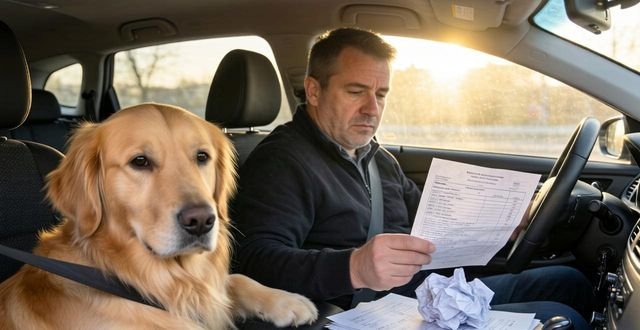
Ever wondered what happens to your body after a rideshare crash? Not just the bruises. The bills.
Let me set the scene. You’re driving for Lyft on a rainy Tuesday. Fourth ride of the day. A kid on a scooter darts out. You swerve, hit a curb, and your face meets the airbag. Next thing you know, you’re in an ambulance, lights flashing, and the paramedic is asking for your insurance card. Funny, right? Not really.
Fast forward two weeks. You’re home with a busted rib and a concussion. The mail arrives. Not a get-well card. A stack of statements from the ER, the radiologist, the ambulance company, and someone called “emergency physician group.” Total so far? Twelve thousand dollars.
My six-year-old saw the envelopes and asked, “Daddy, did the ouch-doctor send a bill?” Out of the mouths of babes, right?
Now here’s where the headache doubles. You think your personal car insurance will help. Ha. Read your policy. Most standard auto plans have a little line in tiny print: “No coverage for commercial use.” The moment you had the app open, you became a commercial driver. Your own insurance? They’ll wave goodbye.
Okay, so the rideshare company’s policy should cover you, right? Yes and no. That’s the med-gap I call the “rideshare coverage black hole.” If you were waiting for a ride request (Period 1), Uber or Lyft offers only liability for damage to others. Your own medical bills? Zero. If you were en route to pick up or had a passenger (Period 2 or 3), they provide contingent liability and uninsured motorist coverage. But “contingent” means they check if the other driver had insurance first. And uninsured motorist? That’s for when the other guy runs away. What if you were at fault? Then the rideshare policy says, “Sorry,not our job.”

So you turn to your health insurance. Surely Blue Cross will save the day. Think again. Many health plans ask one question: “Was this a work-related accident?” If you say yes, they’ll try to dump the bill onto the commercial auto policy. And we just saw that policy may not pay. So the bill bounces back to you. It’s like a game of hot potato, except you are the potato.
Let’s stack the costs. A simple urgent care visit: $300. A broken wrist with a cast: $3,500. An overnight hospital stay: $25,000. Surgery on a shattered knee: $60,000. Physical therapy for six months: another $15,000. Now imagine that times two if you need a second surgery. The deeper you go, the faster your savings account vanishes. That’s not scaremongering. That’s the price of a real accident in a real American hospital.
So what’s the escape route? First, stop assuming anyone else has your back. Second, read your rideshare company’s insurance summary. Uber calls it “the One app.” Lyft has “the Lyft Insurance page.” Buried in there, you’ll find that medical payments coverage (MedPay) is not automatic. In most states, you have to buy it as an add-on. And it’s cheap—like eight bucks a month cheap. That little add-on can give you $5,000 or $10,000 for your own medical bills, no matter who was at fault.
Third, get a personal accident policy. Not disability insurance. A real “accident only” plan. For less than your Netflix subscription, these policies cut you a check directly when you break a bone or get stitches. No fighting with claims adjusters. No waiting for the other driver’s insurance. Just money in your pocket. I know a driver in Austin who broke his leg in a fender bender. His accident policy paid him $15,000 in ten days. Meanwhile, the rideshare insurance is still “processing” six months later.
Here’s the bottom line. Rideshare insurance coverage for medical bills exists, but it’s scattered, incomplete, and full of traps. You have to dig. You have to ask the right questions before the crash, not after. Because after the crash, you’ll be in pain, on painkillers, and the insurance people will talk in circles while your bills pile up.
So next time you swipe “Go Online,” pause for five seconds. Ask yourself: If a drunk driver turns my Honda into scrap metal tonight, who pays to put me back together? If your answer is “I don’t know,” then you’re not ready to drive. Go call your agent first. Your future wallet will thank you.