High Mileage Drivers: Rideshare Insurance
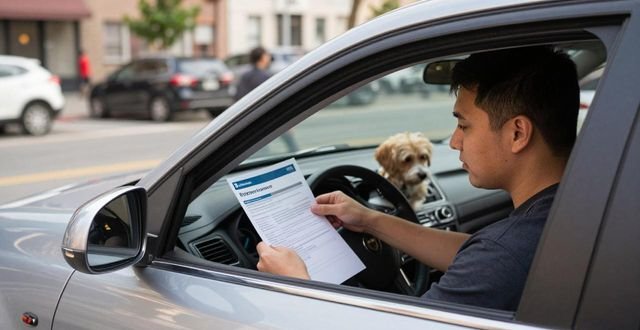
Ever felt that little knot in your stomach when you drop someone off and realize you’ve just crossed 3,000 miles this month alone? Yeah, me too.
You’re out there grinding, picking up rides from the airport to downtown, then back to the suburbs. The odometer climbs fast. And somewhere between the morning coffee run and the late-night bar crowd, a quiet worry starts to creep in: “Is my personal auto policy even going to look at me if I file a claim?”
Here’s the truth most agents won’t tell you over the phone. Standard personal insurance is built for the driver who goes to the office, the grocery store,and maybe a weekend road trip. Not for you. Not for the person who lives behind the wheel.
So what actually works when you’re logging 40, 50, even 60 thousand miles a year for Uber or Lyft?
First, forget the idea that the company’s contingent coverage has your back. It does and it doesn’t. There’s that infamous gap—period one, when the app is on but you haven’t accepted a ride. That’s where most high-mileage drivers get burned. A fender bender while cruising for a ping? Your personal policy says no. The rideshare company says not yet. Suddenly you’re holding a repair bill the size of a small used car.
I remember talking to a driver in Phoenix last year, doing full-time for three different platforms. He thought he was being smart, paying for the rideshare endorsement from his regular insurer. Then they dropped him after his second claim. Said his mileage “exceeded acceptable thresholds.” Like it was his fault people need rides at 2 AM.
That’s when you realize you need something different. Not just a checkbox on a web form.
Some carriers actually get it. Progressive has a solid add-on for high-mileage folks, but read the fine print—some state versions cap your annual miles. Allstate’s rideshare ruffer is better, but you’ll need to be upfront about your driving habits. Don’t hide the numbers. Tell them you drive like a taxi without the medallion.

Then there’s the lesser-known route: commercial policies with a rideshare endorsement. Farmers and Liberty Mutual offer them in certain states. They cost more upfront—sometimes double what you’re paying now—but when you do the math per mile, it’s actually cheaper than eating a total loss out of pocket.
A buddy of mine does airport runs exclusively, maybe 200 miles a day. He switched to a commercial policy from a local mutual company that specializes in livery. Premium went up 65 bucks a month, but his deductible dropped and now he gets a check for lost income if his car’s in the shop. That’s peace of mind you can’t put a price on.
Another trick? Look at telematics programs. Some insurers like Nationwide offer usage-based tracking that actually rewards high mileage if your driving is smooth. No sudden brakes, no hard accelerations, no speeding. You become a data darling, and they lower your rate even as you rack up the miles. Counterintuitive, I know. But it works.
Don’t forget to check your state’s insurance department website. Some places like California and Colorado have started forcing insurers to offer rideshare products that don’t cap miles unreasonably. You might qualify for something that wasn’t even on the market two years ago.
And please, don’t make the mistake of just driving without the right coverage because you think you’re a safe driver. That’s like jumping out of a plane with a backpack and hoping it’s a parachute. The odds catch up. Always.
So here’s your weekend homework. Pull up your current declarations page. Look at the annual mileage estimate you gave them. If it says anything under 15,000 but your trip log shows three times that, give your agent a call tomorrow. Not next week. Tomorrow.
Be honest. Say “I’m a high-mileage driver and I need rideshare insurance that keeps up with me.” If they hesitate, hang up and find someone else. There are carriers out there who want your business.
Because you’re not the problem. The outdated products are. And the market is slowly waking up.