Rideshare rental insurance add on why you need it to keep daily gig work without worry
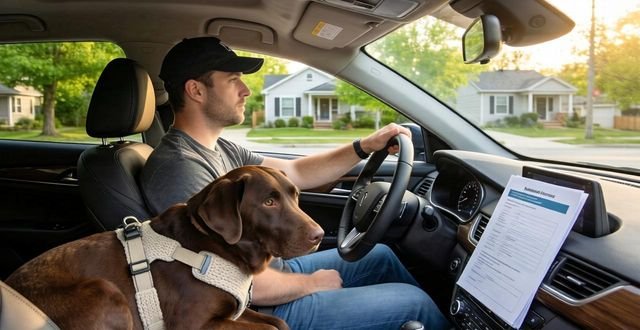

Last Tuesday afternoon, I swung through the Brooklyn back streets the same way I do every shift, my shaggy golden retriever curled up on the passenger seat in his faded knit harness because the sitter bailed last minute and I couldn’t afford to skip a single fare or risk paying steep unplanned vet co-pays if he got spooked down the line. I wove around a fire hydrant, pulled up next to a curb outside a downtown coffee shop, and a new rider flagged me down right as my dash notification pinged for a long-haul ride out to the neighboring arena. For three full years prior to that day, I thought my regular personal auto policy had all the bases covered, the exact misconception most new gig drivers stumble on in those first six months when every dollar for gas and maintenance has to stretch farther than the elastic on my dog’s favorite chew toy. I hadn’t even considered reaching out to my independent agent when that local family got their new family kitten two blocks over, whose vet bill for a sudden upper respiratory infection set their household budget back so far they had to pause their rideshare shifts three weeks straight, the sort of cash flow panic no part-time or full-time gig worker should ever have to scramble through if they knew the small, affordable protection line designed specifically for that half-second window where you toggle from personal commute or morning dog walk right into logged-in rideshare mode. That quiet morning I sat drinking lukewarm instant coffee after waking up at 5 a.m. to get my pup fed, I clicked through my current policy declarations page and physically paused when I saw the glaring exclusion that almost zero rookie drivers spot without help: standard personal auto plans completely zero out collision and liability coverage the second the rideshare app shows an incoming ride alert, even if you are sitting still at a red light off the highway. A couple of different peers I connected with last year on that local gig driver Facebook group each told me their nightmare stories about going without coverage add-ons, one getting side swiped by a deliver e-bike on his way to pick up a family of four, only for his insurance provider to turn his whole claim down because his app had been active less than two minutes prior. He had to shell out nearly 1,800 dollars out of pocket for a whole new front passenger door and his cat’s emergency vet surgery he couldn’t shift around, pushing him weeks behind on rent before he even thought to follow back up with his agent that exact night. A dedicated rideshare policy extension doesn’t cost nearly as much as all the online scare articles tried to make it sound before I did the math myself, only running me an extra 17 dollars a month tacked onto my existing core premium when I sat for twenty minutes on a phone call with my local rep, no extra hidden fees, no stupid confusing fine print about sudden deductibles that jump 500 dollars with no warning. I ended up getting it sorted out after I picked my dog up from the park that day, watching him chase a squirrel all around the oak trees while I chatted on speakerphone with my agent, and she even walked me through the breakdowns for every different layer of coverage that kicks in at different stages of you being logged into the rideshare application, something that made me realize I had almost been playing with fire for no good reason for years, chancing a single fender bender that would have wiped out every single tip I had saved up for six months to buy that new climbing gate I wanted so my pup couldn’t bolt out the front when riders open the door mid-shift. A lot of folks get confused about where the standard company-provided safety net actually stops, right, and that confusion is the thing that leads far too many of you with 10 or more fares under your belt to drive totally unprotected during those transition moments where neither party, your insurance carrier or the rideshare platform policy, is picking up the costs and liabilities. A woman I shared a parking spot with one rainy evening down by the waterfront had hit a stray dog that darted between parked cars mid shift, she was completely up to date on every required rideshare document the platform asked for, but her out of pocket fees after paying for damage repairs ran to well over three grand because the platform only covered a fraction of the gap when she didn’t have that standalone low cost add-on layered onto the base personal plan. If you regularly bring your small dog out with you when your shifts happen to land on your designated dog walking days, trips where you aren’t even actively waiting on a ping to start, having a supplementary extension also covers any minor damage or vet costs that pop up inside the cabin from unexpected accidents that relate to your companion animal, a tiny detail I never saw mentioned on any generic insurance guide when I first started out taking gigs to make extra side cash. It was sort of a complete blind spot for me earlier this month, I will admit, and I kept double checking my ID cards in the glove compartment after the policy went active, almost goofy anxious to make sure the new declaration note about rideshare related incidents was fully printed on there. Compared to all the other common small unexpected expenses you deal with on a rolling gig work schedule, new brake pads, unexpected oil changes, replacement fuzz ball toys destroyed by your bored terrier while idling between fares, the price of adding that tailored extra coverage pales alongside the devastification of what you would face if a bad collision hit completely without safety net during the 10+ hours most folks are logged onto their rideshare apps each working week. The last time I had read a generic insurance resource telling people operating rideshare services what they “needed” in 2025,not a single local publication stopped to point out that many add-ons can be modified to fit unusual shift patterns too, if you only do night and weekend rides while your full time 9-5 keeps busy through the week, you don’t have to sign up for a premium that is locked to 7 day a week full time coverage terms the way standard commercial vehicle policies do, flexibility built perfectly for people whose main income still comes from other lines of work. My neighbor who runs small local pet sitting routes ontop of his weekend Uber schedule told me last week that his extension policies can even be adjusted temporarily if you decide to take all of July off from rideshare trips with no fare penalties, a small, thoughtful touch from his insurance adviser that saved him more than 32 US dollars that month without even asking for extra paperwork or a long approval process. It makes you wonder why so many thousands of active drivers across the country still haven’t even asked their agent any basic probing questions on those cost efficient layers of protection before settling into the routine of cruising through their usual routes, coffee in their cup holder, leash clipped by the center console just in case you end up taking that stray lost animal home to reunite with its rightful stressed owner after a fare drops off nearby on a random side road downtown. Last night as I was feeding my dog his post shift evening snack kibble on the kitchen counter near the window side desk where I keep all my vehicle paperwork sorted color coded in folders, I set that newly updated insurance declaration document down right on top to mark when exactly I got the extension cleared and paid off so far this year, no more late guesswork anymore whenever I scroll the app before pulling out of the driveway. Too many people only find out this type of option exists well past a bad moment, a total preventable mistake that nobody with a bustling local driving schedule wants to end up navigating later on long after roads get dark in the dead of winter shift times. Isn’t it worth carve just 20 minutes out of your slow mid-week afternoon, between your three hour break during off peak hours that have no pings left in the after lunch drowsy stretch, to shoot over that short question note to your car insurance rep who works right down the road, and lock that extra small layer of safeguards in so you can spend all the rest of your coming shifts happily picking up riders and all their occasional weird travel moments without constantly turning your worry level setting to max?