Does your rideshare insurance cover accidents? What drivers often miss
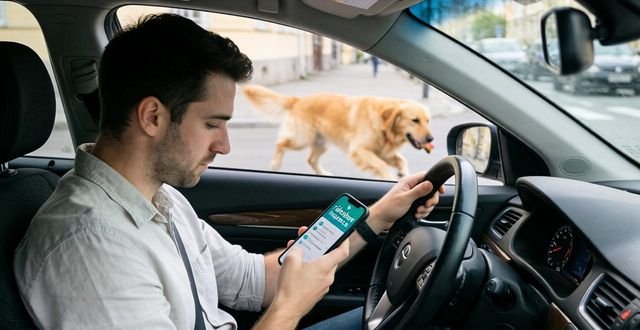
You know that moment when you finally settle into the driver’s seat after a long day, turn on the app, and wait for that first ping? It feels like a regular drive. But then something unexpected happens—a car swerves into your lane, and suddenly you’re looking at a dented bumper and a police report. The question that follows is never just about repair costs. It’s about who pays.
I learned this the hard way two years ago when I was driving for a rideshare platform part‑time in Austin. A pickup truck ran a red light and hit my rear passenger side. No one was hurt, thank goodness, but my car was towed and I had a claim to file. My personal auto policy had a rideshare endorsement. Or so I thought. Turns out, endorsements can be full of tiny print that changes everything.
Let me walk you through the three phases of a rideshare trip, because that’s where most accident coverage gets tricky. Phase one is when you’re online but haven’t accepted a ride. Your personal policy usually says no here. The rideshare company’s contingent liability might apply, but only for damage you cause to others. For your own car? Often nothing. Phase two starts the moment you accept a ride and head to pick up the passenger. Phase three is when the passenger is in your car. In those last two phases, the rideshare platform typically provides primary coverage, but with deductibles that can run up to $2,500.
Here’s what they don’t tell you in the app’s glossy tutorial. That $2,500 deductible is way higher than what most personal policies charge. And if you only have a basic rideshare endorsement from your personal insurer, it may only cover the gap during phase one. So what happens if an accident occurs exactly at the phase one gray area? You might be looking at zero coverage for collision damage to your own vehicle. I remember sitting on my couch after that Austin accident, scrolling through my policy PDF, and thinking, “Did I really sign up for this?”
Have you ever checked your declarations page for the words “rideshare” or “transportation network”? Many drivers haven’t. It’s not because they’re careless. It’s because insurers don’t exactly advertise how vulnerable you are. A standard personal auto policy has an exclusion for “public or livery conveyance.” That’s legalese for “if you’re carrying people or goods for a fee, we’re out.” So the moment you turn on that app,even without a passenger, some insurers argue you’re engaged in business use. And they will deny a claim. I’ve seen this happen to a friend who delivers groceries on weekends.

So what actually works? Two strategies. First, ask your current auto insurer if they offer a rideshare gap policy. Progressive, Allstate, and State Farm have versions in many states. These add‑ons typically cover phase one with a modest deductible, then line up with the rideshare company’s coverage for phases two and three. Second, consider a commercial policy tailored for rideshare. It’s more expensive, yes. But it removes the phase one black hole entirely and often lowers that $2,500 deductible to something like $500. You have to run the math. If you drive twenty hours a week, the extra premium might be a hundred dollars a month. Compare that to a $10,000 out‑of‑pocket repair after an uninsured motorist hits you during phase one.
I switched to a commercial policy after the Austin incident. The monthly cost stung at first. But six months later, another driver backed into my door while I was waiting for a passenger in a grocery store parking lot. That time, I had no fights, no denials. My insurer sent an adjuster within three days. The repair was covered minus a small deductible that felt fair. That peace of mind is hard to put a price on.
One more thing people rarely discuss: medical payments coverage. If you’re in an accident and a passenger gets hurt, the rideshare company’s contingent liability includes up to $1 million for bodily injury. But that’s for third parties. What about you, the driver? Your own medical bills from a crash during phase one or two often fall back on your personal health insurance. And if you don’t have health insurance? Or if your policy has high deductibles? You might be stuck. Some rideshare endorsements now include medical payments for the driver, but you have to ask for it.
Let’s be real. No one likes paying for insurance. It feels like throwing money into a void. But after a decade of driving gig economy routes, I’ve learned one truth: the void is real, and it has your car’s name on it. The question isn’t whether an accident will happen. It’s whether you’ll be prepared when it does. So take an hour this weekend. Pull out your personal policy, your rideshare app’s insurance page, and any endorsements. Compare the three phases. Call your agent and ask the uncomfortable questions: “What exactly happens at phase one? What’s my deductible for collision during a trip? Is there a gap in medical coverage for me?” Write down the answers. Keep them in your glove box.
The road is unpredictable. But your coverage doesn’t have to be.