Rideshare Gap in Michigan? Here’s Your Answer
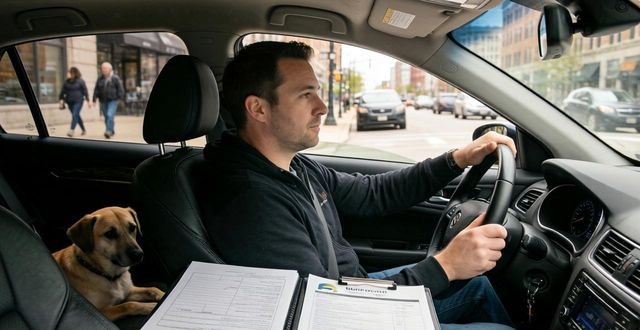
Ever wondered what happens if you get into an accident while driving for Uber or Lyft in the Great Lakes State? That’s where the whole confusion around rideshare insurance Michigan requirements starts to kick in. You see,your personal auto policy really doesn’t want to pay up if you were hauling a passenger for cash when things went sideways. And honestly, that’s a terrifying thought when you are navigating Detroit traffic or picking someone up from a late night in Ann Arbor.
Let’s rewind a bit. Michigan is a no-fault state, which already makes everything a little wild. You have to carry Personal Injury Protection, or PIP, and property protection. But the moment you turn on that app, your regular coverage basically says, “See ya later.” And that is the exact second you realize you are staring into a giant liability hole.
So how do you actually fix this mess? The law here is pretty clear: rideshare drivers need contingent coverage. This isn’t just some optional add on; it’s the law of the land if you want to drive legally. Most of the big names like State Farm, Allstate, and Progressive have specific endorsements now. They wrote them precisely for people who do this part time or full time. You do not have to buy a crazy expensive commercial policy unless you are operating a taxi or a limo service, which is a whole different beast.
Here is the trick though. The rideshare insurance Michigan requirements break down depending on what period of your shift you are in. Period one is when the app is on but you don’t have a ride request. Your personal policy denies everything, but the rideshare company gives you a tiny bit of liability. Period two is when you accept a ride and you are heading to pick them up. Period three is when the passenger is actually in the car. In periods two and three, Uber and Lyft give you pretty decent liability and maybe some contingent comprehensive coverage. But that contingent coverage has gaps. It usually has high deductibles. And it won’t cover your car if you are just driving around waiting for a ping and a deer jumps out in front of you on a dark country road.

That is why you see so many Michigan drivers getting burned by the system. They think the company has their back. But the company only steps in after your personal insurance says no. And if you don’t have that specific rideshare endorsement on your personal plan? The company just shrugs and says, “Looks like you didn’t follow the rules.” You are left holding a totaled car and a massive medical bill, even with the no fault laws.
Fall is coming. The leaves are changing up north, and the roads are getting slick. Tourists are driving slowly and stopping randomly to take pictures. It is the perfect storm for a fender bender. Do you really want to be explaining to an adjuster that you weren’t working when your bumper got smashed? They check. They check your app status logs, your GPS, and your passenger rating. They have seen every trick in the book.
So here is the actionable truth. Open your phone right now. Call your insurance agent. Do not text them; actually call and ask, “Do I have a rideshare endorsement on my policy?” If they say no, ask for the price difference. For most drivers in Michigan, it adds maybe twenty to forty bucks a month. That is the cost of two or three tanks of gas. It is the cost of a dinner out. And it buys you absolute peace of mind when you are driving through a construction zone on I-94 at 2 AM with a drunk passenger in the back seat.
Do not drive another shift without checking this box. The state requires it for a reason, not to punish you, but to stop you from going bankrupt over a simple rear end collision. Get the gap coverage, read the fine print, and keep those receipts in your glove box. You are out there grinding for every dollar. Do not let a legal loophole take all of them away in one second of bad luck.