Hyundai Sonata Rideshare Insurance: Real Costs, Coverage Tips & Rate-Saving Moves
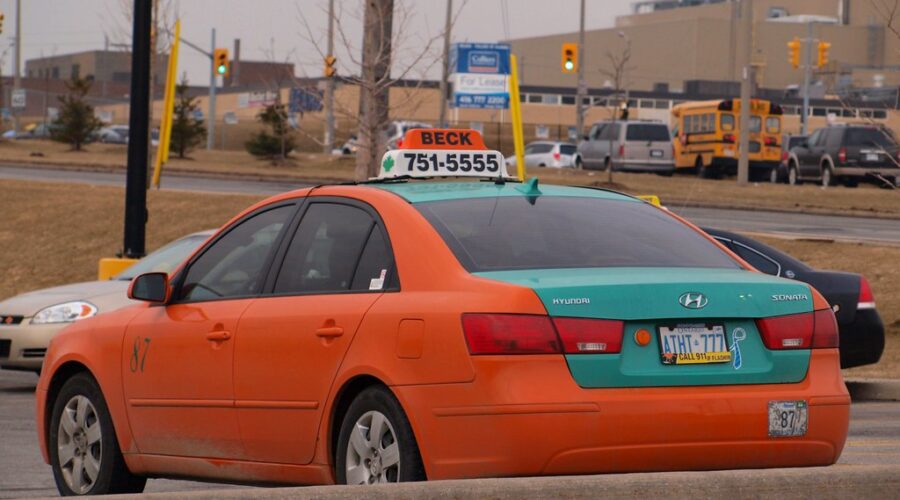
The Hyundai Sonata has become a fixture of American rideshare fleets — spacious, fuel-efficient, comfortable for back-seat passengers, and cheap to run. It’s also, quietly, a decent insurance risk. If you drive (or plan to drive) a Sonata for Uber or Lyft, here’s what its rideshare insurance actually costs in 2026, which coverage decisions matter most for this specific car, and the moves that trim the premium.
Why the Sonora’s Insurance Profile Is Favorable
Insurers price vehicles on claims data: collision frequency, repair costs, theft rates, and injury severity. The Sonata scores well on several axes:
- Moderate repair costs. Parts availability is strong and labor times are standard, so collision repairs for common rideshare incidents (rear-enders, parking damage) cost less than luxury-badge equivalents.
- Strong safety scores. Recent-generation Sonatas carry strong IIHS results and a comprehensive ADAS suite (forward collision avoidance, lane keeping, blind-spot monitoring), which reduces both accident frequency and injury severity — both priced into your premium.
- Low theft appeal relative to hot-list models. Comprehensive pricing benefits accordingly, though note the 2011–2019 Sonata generation carries elevated theft data from the social-media theft trend; insurers price this generation accordingly.
What Sonata Rideshare Drivers Actually Pay
Using the standard setup — personal policy plus rideshare endorsement — 2026 cost bands for a clean-record Sonata driver look like this:
| Coverage Setup | Typical Monthly Total | Notes |
|---|---|---|
| Personal policy only (no rideshare use) | $95–$180 | Baseline; excludes TNC use |
| Personal + rideshare endorsement | $110–$210 | The standard rideshare setup |
| Personal + endorsement + delivery (PWC) | $115–$220 | Small delta if form includes delivery |
| Hybrid rideshare policy | $250–$430 | All-period commercial limits, income protection |
These assume a clean record and average state costs. Michigan, Florida, and Louisiana add 40–90%; Idaho, Ohio, and the rural Midwest subtract 15–30%. A single at-fault accident adds 20–40% for three to five years.
Generation Matters More Than You Think
The Sonata’s insurance story splits by generation:
- 2020+ (DN8): Best profile — modern ADAS, strong crash structure, mid-pack theft rates. Cheapest to insure for rideshare work.
- 2015–2019 (LF): Solid, but check theft pricing; this generation overlaps the theft-trend years. Comprehensive may price higher in high-theft ZIPs.
- 2011–2014 (YF): The theft-trend hotspot. Expect elevated comprehensive pricing, and some insurers require anti-theft verification or add immobilizer requirements.
If you’re buying a Sonata specifically for rideshare work, a 2020 or newer model typically insures for less than a same-price older one — the ADAS discounts and theft profile outweigh the higher stated value.
Coverage Decisions That Matter for Sonata Drivers
Collision & Comprehensive: Keep or Drop?
Here’s the rideshare-specific wrinkle: the app’s contingent collision only applies if you carry collision yourself. A 2021 Sonata SEL worth $19,000 should absolutely carry collision — dropping it doesn’t just risk your commuting, it disables the platform’s repair coverage during active trips entirely. Only on a very old, low-value Sonata (under roughly $4,000 market value) does dropping physical damage make financial sense — and even then, delivery drivers should think twice.
Deductible Sizing
The platform’s contingent collision uses your deductible. A $500 deductible means smaller out-of-pocket after a trip accident; a $1,500 deductible means more risk per incident. Rideshare drivers accumulate parking-lot and lane-change incidents at higher rates than commuters — a middle setting ($750–$1,000) is the common sweet spot.
UM/UIM Limits
You spend long hours in dense traffic — exactly where uninsured drivers concentrate. Raising UM/UIM from state minimums to 100/300 costs a Sonata driver typically $8–$20 per month and is the highest-value rider in the policy.
Rate-Saving Moves Specific to This Setup
- Telematics enrollment: State Farm’s Drive Safe & Save, Progressive’s Snapshot and similar programs discount smooth driving 10–30%; rideshare hours count and Sonata ADAS data feeds the scoring on some programs.
- Bundling: renters or homeowners with the same carrier shaves 10–25% across the whole policy including the endorsement.
- Anti-theft documentation for pre-2020 models: a stamped VIN etch or verified immobilizer can pull 5–15% off comprehensive in theft-heavy ZIPs.
- Annual re-quote: the same Sonata driver’s quotes vary 40%+ between carriers for identical coverage. Two competitors’ quotes every 12 months is a $200–$500/year habit.
- Mileage honesty: declare realistic platform hours. Under-declared usage is the classic setup for a denied claim — and honest numbers are usually cheaper than drivers fear.
Frequently Asked Questions
Is the Sonata more expensive to insure for rideshare than a Camry or Accord?
Broadly comparable — all three sit in the same pricing band. The Accord often edges slightly lower on repair costs; the Sonata counters with better standard ADAS on mid trims. Differences are within 5–10%.
Does Hyundai’s factory warranty affect my rideshare insurance?
Not the premium, but it matters for finances: warranty coverage on a high-mileage rideshare Sonata reduces your non-accident repair risk, effectively subsidizing the higher deductibles that lower your premium.
Do I need to list my Sonata’s rideshare use with the insurer separately from the endorsement?
The endorsement is the disclosure. Just state the platforms (Uber, Lyft, plus delivery apps if relevant) when binding so the form matches your actual use.
Will a Sonata hybrid price differently?
Marginally — hybrids price 2–5% higher due to battery repair costs, partially offset by ADAS and driver-profile discounts. Net effect is usually under $10/month.
The Bottom Line
The Sonata is one of the smartest rideshare vehicles on insurance grounds: moderate repair costs, strong safety tech, and competitive premiums in every coverage setup. Pair it with a rideshare endorsement (or a hybrid policy if you drive 40+ hours), keep collision active, raise UM/UIM, and re-quote annually — that combination gets a Sonata driver fully covered for less than most drivers spend on car washes.
Sonata Trim-Level Insurance Differences: SE to N Line
Not all Sonatas insure alike. Trim choice moves the premium in both directions:
- SE / SEL: The rideshare sweet spot. Standard ADAS, cloth interiors that shrug off passenger wear, lowest repair costs. These trims carry the lowest comprehensive and collision pricing in the lineup.
- SEL Plus / Limited: Larger wheels and premium paint raise repair costs 5–10%; panoramic roofs add glass claims. Comfort for passengers improves — real for ratings — at a modest insurance premium.
- N Line: The performance trim prices like a different vehicle: turbo claims data, higher theft interest, and sportier driver behavior in the claims record add 15–30% over equivalent SEs. For rideshare economics, the N Line’s costs rarely return their earnings premium.
- Hybrid: 2–5% above gas equivalents from battery repair exposure, offset by fuel savings that dwarf the insurance delta at rideshare mileages — the hybrid is the value play for 1,000+ weekly miles.
The High-Mileage Factor: What 40,000 Rideshare Miles a Year Does to Your Policy
Rideshare duty roughly triples a typical car’s annual mileage. Three consequences for a working Sonata:
- Depreciation accelerates. A 2022 SEL at 90,000 miles books thousands below the trade guides — collision/comprehensive limits pay actual cash value, so gap coverage matters until the loan-to-value crosses safely under 100%.
- Usage declarations must be honest. Mileage bands in rating plans assume personal driving; commercial-use endorsements exist precisely because insurers know the real number. Honest annual mileage (say 48,000) with the endorsement attached prices correctly and claims cleanly.
- Maintenance economics dominate. At 3,000+ monthly miles, tires, brakes, and oil intervals compress into monthly events. The insurance premium is a rounding error next to mechanical reserves — budget $0.09–$0.12 per mile before deciding this car works as a rideshare platform.
Accident Scenarios Specific to Rideshare Sonatas
The claims record for working Sonatas clusters in three patterns, each with a coverage lesson:
- Parking-lot contact at airport and mall queues (Period 1). Low-speed door and bumper damage, the most frequent Sonata claim type. Lesson: the endorsement’s collision extension handles these cheaply; photograph everything, the other driver is often long gone.
- Rear-end collisions in stop-and-go traffic (Periods 2–3). Sonata ADAS (forward collision avoidance) demonstrably reduces severity — insurers price the system, so a 2020+ Sonata rear-ender often repairs for half of an older generation’s equivalent. Lesson: generation choice is a premium choice.
- Passenger-door and curb damage from pickups. Glass, wheels, and door dings cluster around curb work. Lesson: comprehensive coverage pricing matters more for working cars than commuters realize; don’t strip it to save $15.
Sample Quotes: What Real 2026 Sonata Setups Look Like
Illustrative annual totals for a clean-record, 35-year-old suburban driver (your numbers will vary by state and record):
| Vehicle | Setup | Annual Premium |
|---|---|---|
| 2023 Sonata SEL | Personal + endorsement + PWC delivery | $1,780 |
| 2020 Sonata SEL | Personal + endorsement | $1,690 |
| 2017 Sonata SE | Personal + endorsement (theft-band ZIP) | $1,910 |
| 2023 Sonata Hybrid | Hybrid rideshare policy, 40 hrs/week | $3,480 |
Read the pattern: newer costs less to insure for rideshare work than older, the theft-era generations price highest in high-theft ZIPs, and full-time hybrid policies cost roughly double an endorsement setup — a price that pays only at serious weekly hours.
The Sonata Rideshare Setup Checklist
- Confirm your generation’s theft profile; add anti-theft documentation on 2011–2019 models.
- Keep collision/comprehensive active if the car’s value exceeds $4,000 — the platform’s contingent coverage depends on it.
- Set the deductible at $500–$1,000, matched to an emergency fund you can actually access.
- Raise UM/UIM above minimums; long urban shifts meet uninsured drivers proportionally.
- Bind the rideshare endorsement with delivery (PWC) language confirmed in writing.
- Enroll in telematics if your driving is smooth — Sonata ADAS data works in your favor.
- Re-quote two competitors every 12 months; Sonata pricing dispersion across carriers routinely exceeds $400/year.
One car, seven decisions, and the insurance side of Sonata rideshare work is permanently optimized. The rest is driving.
Ownership Costs Beyond Insurance: The Full Rideshare Picture
Insurance is one line in the Sonata total cost of rideshare ownership, and perspective keeps the numbers honest. At 45,000 annual platform miles, expect roughly $4,300 in fuel, $1,200 in tires and brakes, $600 in oil and fluids, and depreciation of $5,000 to $7,000 depending on generation – against gross platform earnings commonly $28,000 to $38,000 for full-time hours. The insurance stack, at $1,700 to $2,200 with endorsement and proper limits, runs about six percent of gross – cheap relative to the financial exposure it retires. Drivers who trim the insurance line to fund maintenance are trading their largest risk for their most predictable cost, and the claims record of drivers who make that trade argues against it every year.
The Play Bay — take five, play free
All games →Geometry Dash Bloodbath
1 player · rated 6.5/10 by players
 ★ 6.5FREE








Related Articles You May Find Helpful


