High risk driver? Rideshare insurance
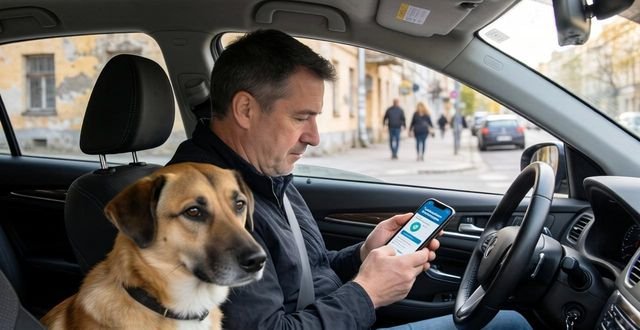
So you have a few speeding tickets on your record. Maybe a fender bender from two years ago that still haunts your insurance rates. Or perhaps that DUI from back in your twenties just won’t let go. Now you want to drive for Uber or Lyft, but every traditional auto insurer either quotes you a sky-high price or slams the door. Sounds familiar, doesn’t it?
Let me paint a real picture. Last week I talked to a driver in Phoenix named Marcus. He had three accidents in four years – none of them his fault, but the insurance companies didn’t care. When he signed up for Lyft, his personal policy specifically excluded any rideshare activity. The moment he turned on the app, his coverage vanished like morning fog. One wrong turn with a passenger in the back seat, and Marcus would have been looking at thousands in out-of-pocket damages. That’s the brutal truth for high risk drivers: standard rideshare endorsements often aren’t available to you, and the big names like Geico or Progressive may reject your application outright.
But here’s the good news – you still have options, and they don’t all involve selling a kidney. The first path is non-standard insurers. Companies like The General, Bristol West, or Dairyland specialize in drivers with checkered pasts. They understand that a few mistakes don’t make you a menace on the road. Their rideshare add-ons might cost thirty or forty percent more than what a clean-record driver pays, but that’s still cheaper than paying for a totaled Honda Civic out of your own pocket. Think about it: one at-fault accident without coverage could set you back fifteen thousand dollars. Compare that to an extra seventy bucks a month for proper protection. Which number looks friendlier?
Another route is commercial insurance with rideshare hybrid policies. Some smaller regional carriers offer what they call “livery policies” that cover you from the moment you accept a ride to the moment you drop off. And unlike personal auto with a rideshare rider, these commercial plans don’t care as much about your driving history – they care about your current behavior. Install a telematics device that tracks your braking,acceleration, and cornering. Drive like a grandmother for six months, and many of these insurers will lower your rates automatically. It’s a second chance on wheels.

Now let’s talk about the gap that nobody likes to mention. Between the time you log into the app and the moment you accept a ride, you’re often in a dead zone. Your personal policy excludes commercial use, and Uber’s contingent liability hasn’t kicked in yet. For high risk drivers, that slice of time is a canyon of exposure. I’ve seen it ruin people. A driver in Atlanta was waiting for a ping, stopped at a red light, and got rear-ended by a distracted teenager. The other driver had minimum coverage that barely covered the tow truck. Because the rideshare driver had no proper coverage for Period 1, he had to pay for his own repairs and three weeks of lost income. The lesson? Read your policy’s definitions of “available” and “en route.” Some non-standard insurers now offer full Period 1 coverage specifically for high risk drivers. Ask for it by name.
You might be wondering about those budget rideshare plans you saw advertised on social media. The ones that promise “any driver accepted” for nineteen ninety-five a month. Don’t walk away – run. I’ve looked at the fine print on a dozen of these policies. They exclude everything except a meteor strike. High risk drivers get denied claims for the smallest reasons: a missing turn signal, a passenger who spilled coffee, even a license plate bulb that was out. Legitimate insurers are regulated by state departments of insurance. Those cheap fly-by-night operations disappear when you need them most.
So what should you actually do? Start by calling a local independent agent who works with non-standard markets. Tell them straight up: “I have two at-fault accidents and I need rideshare coverage for Uber.” They know which carriers will raise their hand and which will hang up. Then ask about telematics programs – many high risk drivers cut their premiums by twenty percent just by proving they’ve changed their habits. And never, ever rely on the coverage that comes from the rideshare company alone. Uber’s liability maxes out at one million, but that’s only after you accept a ride. Before that, you’re on your own. Your own policy. Your own wallet. Your own sleepless nights.
You deserve to work. You deserve to earn a living without constantly looking in the rearview mirror for financial disaster. The road isn’t closed to high risk drivers – it’s just got a few more bumps. Call that agent tomorrow. Ask the tough questions. Get the right policy. Then turn on the app and drive with confidence. Because the only thing worse than a bad driving record is no insurance when you need it most.