Do You Really Need Rideshare Insurance? (Auto Owners Beware)
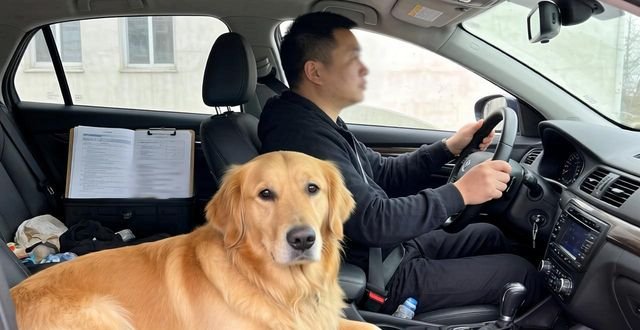
So you’re thinking about driving for Uber or Lyft, huh? Got that shiny new app installed, car’s cleaned out, maybe even a phone mount glued to the windshield. But have you actually looked at what your personal auto policy says about this little side hustle? Probably not. Nobody does, until the moment their front bumper is wrapped around a lamppost with a passenger in the back seat. Then it gets real interesting, real fast.
Let’s rewind. You bought that standard auto insurance – the one with your name on it,the one that costs you a pretty penny every month. In your head, you’re covered. Four wheels, a gas pedal, and a promise from some friendly agent who said “you’re all set.” But here’s the trick no one tells you: the moment you turn on that rideshare app, you’ve just driven a truck through the fine print. Your personal policy? It’s not designed for commercial activity. Not even a little. Most of those contracts have a specific exclusion buried on page fourteen, written in font so small you’d need a microscope. And what does it say? Something like: “We don’t cover any loss that occurs while you’re transporting people or goods for payment.” Ouch.
Now you’re probably thinking, “But doesn’t Uber or Lyft cover me while I’m on the clock?” Sure, they do. Sort of. Let’s break down those mythical “gaps” that every rideshare driver learns to fear. Period one: you’ve opened the app, you’re waiting for a ping, but no passenger is in the car yet. During this phase, Uber gives you what they call “contingent liability.” Fancy words that mean: maybe they’ll pay, but only if your own insurance denies you first. And your own insurance? They’ll deny you in a heartbeat. Got into a fender bender while waiting for a ride request? You’re on your own. Personal policy says no, Uber says “not our problem yet.” Congratulations, you’ve just stepped into a no-man’s-land where nobody writes checks.
Period two: you’ve accepted a ride, you’re heading to pick up the passenger. This is where Uber’s coverage actually kicks in – liability, collision, the works. But here’s the catch that’ll make you laugh bitterly. The deductibles. Oh, the deductibles. Uber’s collision deductible can be anywhere from $1,000 to $2,500. Compare that to your personal policy’s $500 or $750. You tap that “accept” button, and suddenly your financial risk quadruples. And period three? Passenger’s in the car, you’re driving to their destination. Same high deductible, same limited coverage. But what happens if you’re at fault and the damage exceeds Uber’s liability limits? They’ll throw you to the wolves faster than you can say “rate increase.”
So what’s the move here, the actual smart play? You need something called rideshare insurance. It’s not a myth, and it’s not some overpriced gimmick. Think of it as a bridge. A dirty, rusty bridge that actually connects your personal policy to the commercial gap. Most major insurers – Progressive, Allstate, State Farm, GEICO – offer a rideshare endorsement. Costs anywhere from ten to twenty bucks extra per month. That’s it. For the price of two fancy coffees, you close that period-one disaster zone. No more praying when you’re idling in a parking lot. No more sweating over a minor scratch while waiting for a fare.
But here’s where the irony comes in, and it’s deliciously cruel. You’ll meet drivers who’ve been hustling for three years without this endorsement. They’ll tell you, “I’ve never had a problem.” Of course you haven’t, buddy. That’s how insurance works – you only have a problem when you actually need it. It’s like refusing to wear a seatbelt because you haven’t crashed yet. The logic is flawless until the windshield meets the tree. And then? Then you’re staring at a totaled car, a personal policy denial letter in your hand, and a bills stack that could choke a horse. Uber won’t help. Lyft won’t answer your calls. You’re suddenly that cautionary tale other drivers whisper about in Facebook groups.

Have you noticed how the app never mentions this? Of course not. Rideshare companies love the ambiguity. They’ll happily let you believe you’re “fully covered” because their glossy marketing materials say so. But read the actual service agreement – the one you clicked “agree” on without scrolling. It’s a masterpiece of legal gymnastics. They’ll cover you, sure, after your insurance says no, after you’ve exhausted your savings, after you’ve sold a kidney. And even then, they might just shrug and point to a clause about “wear and tear” that somehow applies to your crumpled fender.
Let me paint you a picture. It’s a rainy Tuesday night. You’re driving a couple home from a bar. You stop at a red light, and some distracted teenager rear-ends you going forty miles an hour. Your car is toast. The passengers are complaining of neck pain. The teenager has minimum state liability – good luck collecting. You call your personal insurer first because that’s what normal people do. They ask, “Were you using a rideshare app at the time?” You say yes because you’re an honest idiot. They deny the claim in less than five minutes. Then you call Uber. They say, “Your deductible is $2,500, and we only cover damages above that amount – oh, and we need a denial letter from your primary insurer.” You send it. Then they say, “We’ll review it in thirty business days.” Meanwhile, your car is sitting in a tow lot accruing storage fees. The passengers are hiring lawyers. Your credit card is whimpering.
That’s the reality. That’s the ugly underbelly of the gig economy that no Instagram influencer will ever post about. And for what? To save fifteen bucks a month? You’re already spending hundreds on gas, maintenance, and depreciation. You’re turning your personal asset into a commercial tool – the least you can do is protect it properly.
So call your insurance agent tomorrow. Not next week. Not “when I have time.” Tomorrow morning. Ask them one simple question: “Does my policy have a rideshare endorsement, and if not, how much to add it?” If they look confused, hang up and call a different company. You want someone who knows what “Period 1” means without googling it. You want a policy that doesn’t leave you hanging the second you turn on that little green app icon.
Because here’s the final truth, and it hurts: nobody is coming to save you. Not the app’s “safety team,” not your personal insurer, not some mythical government fund. It’s just you, your car, and a stack of paperwork. Either you pay a few extra dollars now for peace of mind, or you pay thousands later for a lesson you’ll never forget. Your choice. But don’t say no one warned you.