1. Your Rideshare Side Hustle Is Underinsured: Why You Need a Hybrid Policy
It is 8:03 on a drizzly April morning, and you are staring at the dent in your front bumper. Three seconds ago, the app was off. You were just a regular person driving to get coffee. Now, you are a statistic. According to the National Council on Insurance Legislatures, nearly two-thirds of rideshare drivers have no idea that their personal auto policy vanishes the moment they turn on that app. That gap is a canyon, and right now, you are standing at the bottom of it.
Think of your personal car insurance as a warm house. It protects you from the rain, from the wind, from the potholes of daily life. Then, you decide to become a rideshare driver. You flip the switch on Uber or Lyft. In that single second, you have walked out your front door and left it unlocked. Your personal policy closes the garage door. You are now standing in a cold, empty field. That field is Period 1. You are waiting for a ride request, and you have nothing but a thin, often non-existent umbrella.
For years, the industry told you to just buy a commercial livery policy. That is like buying a fire truck to put out a candle. It is powerful, yes, but it costs four to five times more than your personal insurance. You would be paying for a fleet of vehicles when you only own a single, slightly messy sedan. This is the reason so many drivers play the lottery. They drive naked, praying that the ping comes before the crash. They are betting their savings account against a red light runner.
This is where the hybrid policy slides into the driveway. It is the architectural solution to a logical failure. The hybrid, or “rideshare endorsement,” is a specific addendum attached to your personal auto policy. It does not replace your house. It builds a covered bridge between your house and the field. It acknowledges the reality of Period 1. When the app is on but you have no passenger, the hybrid policy wakes up. It offers contingent liability. Usually,that means fifty thousand dollars for bodily injury and twenty-five thousand for property damage. It is not full coverage. It is a lifeline.
You need to look at the numbers. If you hit a Tesla while waiting for a fare and you only have a standard personal policy, you pay for the repair. That is roughly twenty thousand dollars out of your pocket. If you have a hybrid endorsement, you pay your collision deductible. That one thousand dollar difference is the difference between a vacation and bankruptcy. The math is brutal and beautiful. It rewards the specific risk, not the general one.
Let me walk you through the three stages of hell. Stage one: App on, no passenger. Personal policy denies the claim. Commercial policy is overkill. Hybrid policy covers liability. Stage two: Passenger in the car. The rideshare company’s liability policy kicks in, usually one million dollars. Stage three: You are driving to pick up a specific rider. Again, the company covers you. The terrifying chasm is Stage one. Every driver who has ever sat in a parking lot at 2 AM, waiting for the surge pricing to hit, has been sitting in that chasm.
Think about the geography of a single night. You start in your driveway. You drive to the airport queue. That is the danger zone. You sit at the cell phone lot. That is the abyss. You get a ping for Terminal B. You drive under the sign. Now you are safe under the corporate umbrella. You drop off the passenger. You roll down the windows to let the air out. You start heading back to the lot. You are vulnerable again. A hybrid policy sees the entire loop. It remains awake during the silence.
I want you to picture your day. You have a dog in the back seat, a Labrador who sheds on the fabric. You have a phone mount that rattles. You have a water bottle in the cup holder. You are a professional. You understand the cost of gas, the depreciation of the axle. Why would you ignore the cost of financial ruin? The insurance companies designed these gaps. They rely on your exhaustion. They know that reading a fifty-page policy is the last thing you want to do after a nine-hour shift. But you have to read it. You have to call your agent and ask for form number PP 05 52 or the equivalent in your state.

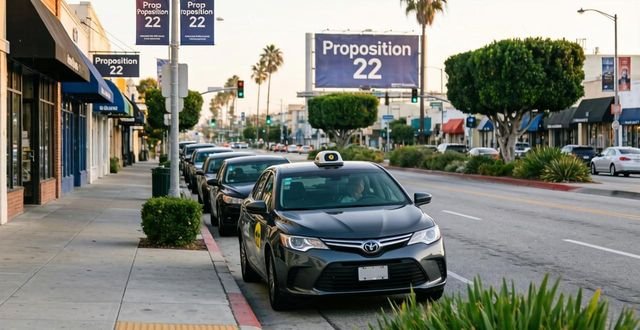
California passed Proposition 22, which created a specific carve-out. New York has the TLC. Every state treats the gap differently. In Texas, a hybrid endorsement is cheap, often thirty dollars a month on top of your base premium. In Florida, it is harder to find because the fraud rates are higher. This is not a monolith. This is a patchwork quilt of risk. You cannot assume that what works for the driver in Austin works for the driver in Miami.
The real secret is that a hybrid policy changes your behavior. When you know you are protected during Period 1, you stop rushing. You drive the speed limit to the busy intersection. You wait for the light to turn green even when there is no cross traffic. You stop gambling with yellow lights. Insurance is not just a safety net. It is a psychological modifier. It turns a frantic side hustle into a sustainable business. You stop driving like you are desperate because you are not desperate. You are covered.
Most drivers ignore the hybrid policy because they listen to the wrong people. They listen to the guy at the airport lot who has been driving for five years and “never had a problem.” That is survivorship bias. The drivers who crashed during Period 1 are not standing in the lot to tell you about it. They are at home, making payment arrangements. They are selling their second car. They are explaining to their spouse why the vacation is cancelled. The silence of the unhurt is the loudest noise in the gig economy.
Your rideshare company will send you a document called the “Insurance Summary.” It looks official. It has bold letters. It does not mention the hybrid policy because the hybrid policy is your job, not theirs. They only care about the million-dollar policy when the passenger is inside. They do not care about the curb you hit while looking at your phone in an empty parking lot. That curb is your responsibility.
So here is the action item. Open your current insurance app. Look for the words “Transportation Network Company” or “TNC.” If you do not see those three letters, you are underinsured. You are driving a three-thousand-pound missile with a blindfold on. Call your provider. Ask them for the rideshare endorsement. If they say they do not offer it, change providers. Progressive, Allstate, State Farm, and a dozen regional carriers sell these hybrid products. It takes fifteen minutes. That is less time than you will waste sitting in a drive-thru line tonight.
The cost of ignorance is compounding. You pay the personal premium. You pay the gas. You pay the maintenance. You pay the higher depreciation because you are racking up twenty thousand miles a year. And then, if you crash during the gap, you pay everything. You pay twice. The hybrid policy is the only lever that lowers the compound interest of risk. It is the difference between owning a tool and owning a liability.
You have a choice. You can continue to drive in the rain with a hole in your roof, hoping that the storm stays away. Or you can spend the price of two tanks of gas to seal that hole. The regulators are slow. The gig companies are ambivalent. The only person standing between you and a lawsuit is you, reading this paragraph, right now. Turn off the app for ten minutes. Make the call. The next time you sit in that airport cell phone lot, you will feel the difference. You will feel the weight of a proper structure. You will feel the quiet click of a closed door. Drive safe. Drive informed. And for the love of your bank account, close that gap.