Is NJM rideshare insurance enough for your side hustle?
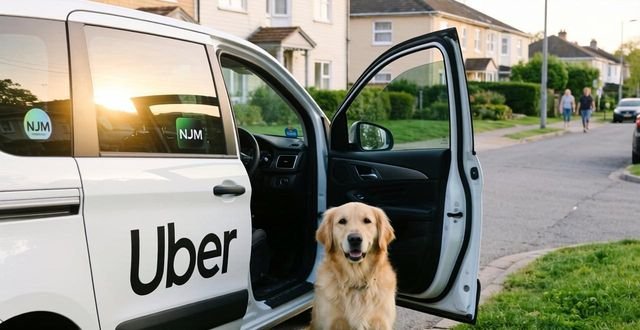
You are online. You tap “Go Online” in the app. And just like that,your personal car becomes a commercial vehicle. That is the moment most drivers forget about. They think their personal auto policy has them covered. But it does not. That gap is exactly where rideshare insurance lives.
NJM has been around for over a century. They are known for dividends and fair treatment. But their rideshare endorsement is not magic. It fills the gap between when you turn on the app and when you accept a passenger. That period used to be a black hole for coverage. Your personal policy says no. The company policy says not yet. So you are driving around with nothing. That is the truth nobody puts on a brochure.
Here is how it works with NJM. You already have their personal policy. That part is solid. Then you add the rideshare endorsement. It costs extra. How much depends on your record and your car. When the app is on but you have no passenger, NJM kicks in with liability. That is the scary part for most drivers. What if you hit someone during that time? What if you run a red light? Those are real questions. The standard company policy from Uber or Lyft only gives you contingent coverage during that phase. Contingent means maybe. Maybe they pay. Maybe they find a reason not to.
People assume because they pay for full coverage on their personal car, they are fine. That assumption costs them later. A driver in Chicago found that out the hard way. He had perfect credit, a clean record, and a solid job. But he did not read the fine print. Two minutes after turning on the app, he hit a pedestrian. The pedestrian survived but needed surgery. His personal insurance denied the claim. The company insurance said he had not accepted a ride yet. He was stuck with a hundred thousand dollars in bills. NJM would have covered that if he had the endorsement. That is the difference between a bad day and a ruined decade.
The endorsement also covers comprehensive during that phase. Think about your phone mount breaking. Think about a tree falling on your car while you wait for a ride request. Those are real events. They happen more than you think. Without the endorsement, you file a claim with the company. Good luck with that. Their process is designed for speed, not fairness. NJM at least has a reputation for paying what they owe.
But there is a catch. NJM only offers this in certain states. You need to check. They are not a national brand like Progressive or Geico. They are regional. Strong in New Jersey, obviously, and parts of Pennsylvania and Ohio. If you live outside that area, you cannot get NJM rideshare insurance. That is just the reality of regional carriers. They keep costs low by staying where they know the roads and the risks.
Some drivers try to cheat the system. They never tell their insurance they do rideshare. That works until it does not. And when it does not, it destroys you financially. Insurance companies share data now. They have algorithms that flag cars with high mileage. They can see your app usage through telematics if you have that little device plugged into your OBD port. You are not as anonymous as you think. Lying on an application is material misrepresentation. That gives them the right to deny every claim, not just the rideshare one. Your house burns down? Sorry, you committed fraud on your auto policy so we are canceling everything. That is standard language in most contracts.
The smart move is to calculate your risk. If you drive ten hours a week during busy times, you need the coverage. If you only do airport runs on weekends, maybe you roll the dice. But understand what you are betting. You are betting your savings, your credit, and your future wages against the cost of an endorsement. NJM charges somewhere between ten and thirty dollars a month extra. That is one or two rides. Skipping it to save a few bucks is like not buying smoke detectors to save on batteries. You can do it. But do not act surprised when the alarm does not go off.

Compare that to the company policy. Uber and Lyft both offer contingent coverage. Contingent means primary coverage that is actually secondary. If your personal policy denies, they might pay. The keyword is might. They have strict requirements. You must have collision and comprehensive on your personal policy. You must have no gaps. You must follow all their rules about accepting rides and staying in the app. Break any of those, and they walk away. Their lawyers wrote the contract. Their lawyers know every exit.
NJM does not play those games. If you have the endorsement and you are in phase one, they pay. No questions about whether you accepted a ride. No fighting about whose fault it was. That clarity is worth something. It is worth sleep. It is worth not having a heart attack when you see flashing lights in your rearview mirror.
Some people argue that the company coverage is enough. They point to the million dollar limit. That sounds impressive. But liability limits are not the issue. The issue is trigger events. When does the coverage start? When does it stop? Phase one is the gray area. Phase two starts when you accept a ride. During phase two, the company policy is primary. Phase three is when the passenger is in the car. Easy. Clear. Phase one is where drivers get wrecked. You are online. You are driving around looking for fares. But you have not matched with anyone yet. That is the danger zone. NJM specifically covers that. The companies say they do too, but read the language. They cover you if you are waiting for a match. Waiting. That is passive. If you are moving, are you waiting? A lawyer could argue both ways. That ambiguity is profit for them and pain for you.
A driver in Denver learned this. He was online, moving through an intersection, and got T-boned. The other driver ran a red light. Clear fault on the other side. But the other driver had minimum limits, barely enough for the ambulance. The driver tried to claim under the company policy. They denied. They said he was not waiting for a match because he was actively driving. His personal policy denied because he was using the app. He ended up suing both. That lawsuit is still going two years later. His car was totaled. He had medical bills. He lost his car and his income at the same time. The domino effect of one accident cascaded into homelessness. He lives in his sisters basement now. That story does not make the news. But it happens every week in every major city.
NJM does not eliminate risk. No insurance does. But it moves the risk from catastrophic to manageable. You still have deductibles. You still have to deal with adjusters. You still might get into a fight over repair costs. That is just the nature of the business. The difference is that with the endorsement, you have a seat at the table. Without it, you are not even in the building.
The industry is changing. More states are requiring rideshare insurance. But the laws are patchwork. Some states mandate that companies provide phase one coverage. Others leave it to the market. NJM operates in states where regulation is strong. That is their comfort zone. They do not chase growth at the expense of underwriting discipline. That makes them safer than some of the flashy national brands.
If you are serious about driving, have the conversation with your agent. Do not email. Do not use the chat bot. Walk in or call. Ask them to explain exactly what happens if you have an accident during phase one. Ask them to show you the endorsement language. If they hesitate, find another carrier. NJM is good but not the only option. Erie does something similar. Auto Owners has a strong program. The point is to have something. Do not drive naked. That is the golden rule of rideshare. The app does not care about you. The passengers do not know your name. The only person looking out for your financial future is you.
So check your policy today. Look for the endorsement. If you do not see it, call. If they say no, switch. That is the hard truth of this business. You are trading risk for money. Make sure you are not trading too much.