Need Your Rideshare Insurance Claim Phone Number? Here’s the Deal
So you’re driving for Uber or Lyft, cruising through the evening rush, when bam—someone rear-ends you at a red light. Your first thought isn’t about injuries or the dented bumper. It’s a panicked scramble: what’s the rideshare insurance claim phone number again? Where did you save it? In that email from three months ago? Buried under twelve app notifications?
Let’s be honest. Insurance companies are masters of hide-and-seek. They’ll send you a shiny digital policy,but the claims hotline? That tiny 1-800 number gets printed in size 6 font on page 47 of the PDF. You’d think they’d want you to reach them quickly when something goes wrong. But no. They’d rather you wander through automated phone trees for twenty minutes first.
Here’s the reality for any American gig driver. Your rideshare insurance isn’t one neat package. It’s a patchwork. When the app is off, your personal auto policy applies. When you’re waiting for a ride request, that’s Period 1—some companies provide contingent liability. And when you’ve accepted a trip and are en route to pick up or carrying a passenger? That’s Period 2 or 3, where Uber or Lyft’s commercial policy kicks in, typically backed by carriers like Progressive, Allstate, or Farmers. Each period has a different claims phone number. Isn’t that delightful?
You might ask: why can’t there be just one number to call? Because that would make too much sense. The industry runs on fragmentation. So if you hit a parked car while heading to pick up a rider, you don’t dial the same number you’d use for a fender bender when you’re off the clock. You call Uber’s claims department. Or Lyft’s. Or your own insurer’s, depending on who should pay first. Getting it wrong means wasted hours and a denied claim.
Compare that to a traditional taxi driver. They have one company, one insurance card, one claims number. Simple. But rideshare drivers? You’re expected to juggle three potential numbers in your head while dealing with a smashed tail light and an angry other driver. It’s almost like the system was designed to frustrate you into giving up.

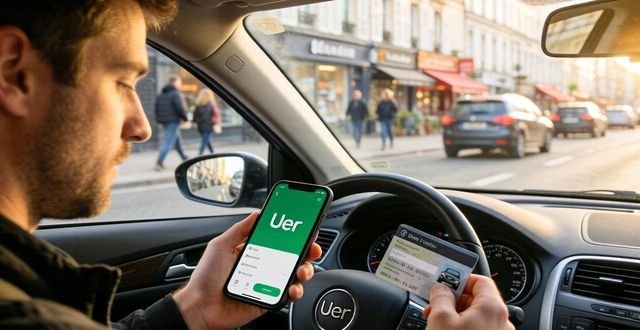
So what do you actually do? Before you ever need it, open your Uber or Lyft driver app. Go to the “Help” or “Insurance” section. Screenshot the claims contact info. Then open your personal auto insurance card—does it have a rideshare endorsement? Some companies like GEICO or State Farm now offer specific add-ons. Note their claim number too. Keep both screenshots in a separate album on your phone labeled “CRASH — CALL THIS FIRST.” Don’t rely on email search. Don’t assume you’ll remember. You won’t. Your brain will be oatmeal after an accident.
And here’s a trick nobody tells you. Even if you’re not sure which period you were in, call the rideshare company’s main claims line first. They’ll tell you if it’s their responsibility or your personal policy’s. Just say, “I was in an accident, my app was on, and I need to file a claim.” They can’t legally ignore you. But they will try to transfer you three times. Stay patient.
One more thing. Don’t search for “rideshare insurance claim phone number” on Google while standing on a busy street corner after a crash. You’ll get sponsored ads from lawyers and sketchy third-party sites. Some of those numbers lead to call centers that sell your info. Always go to the official app or your policy documents.
Think about the last time you actually looked at your rideshare insurance certificate. Be honest. You clicked “accept” without reading any of it last year. So tonight, when you’re home and relaxed and not bleeding on an airbag, spend five minutes. Find the numbers. Test one—just to see if it rings a real person. Save them in your contacts as “Uber Claims,” “Lyft Claims,” and “My Rideshare Endorsement.” Future you will send a thank-you note.
Because when the moment comes, and it probably will if you drive enough miles, you won’t have time for a scavenger hunt. You’ll need to punch three digits and start the process before the tow truck arrives. That small act of preparation separates the drivers who get their deductible back from those who eat the cost themselves. Your choice.