Pennsylvania Rideshare Insurance Laws: The Gap You Drive Through Daily
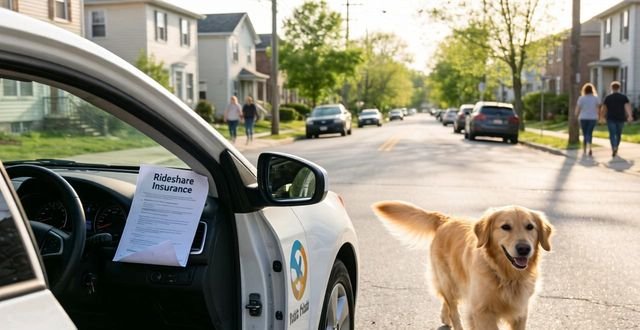
So you think your personal auto policy has your back the second you flip on that app?
Think again.
You’re online. You’re cruising Lancaster Avenue looking for a ping. That waiting period—the time between hitting “go” and actually having a butt in your back seat—is where the legal gymnastics really begin. Pennsylvania lawmakers drew some lines, but those lines look a lot like a pothole-filled maze.
Let’s crawl inside the periods.
Period One. App on, no ride accepted. You’re just… available. Your personal policy? It sees that little blue dot and nopes right out. Most standard policies in PA have an exclusion clause big enough to drive an F-150 through. They sniff commercial activity. They run. So what kicks in? The rideshare company offers contingent liability. Sounds fancy. It’s not. It covers you hurting someone else if you’re at fault. But your own car? Your own neck? Crickets.
You’re driving around Scranton with a false sense of security. That’s the first gap. The law says you need primary coverage during Period One if your personal policy excludes it. But most drivers? They don’t ask. They just drive. And the apps don’t exactly send you a certified letter saying “hey, you’re technically uninsured right now.”
Period Two. You accepted the trip. Heading to pickup. This is the sweet spot of confusion. The company’s commercial policy now applies up to a limit. But read the fine print. Read it. That limit might be $50k for injury. That’s… cute. A two-car fender bender in Pittsburgh can blow past that before the airbags deflate. The law mandates minimums,sure. But minimums in 2026 are what minimums were in 2016, adjusted for… nothing. You’re betting your savings account on state-approved bare bones.
Period Three. Passenger in the car. Finally, full commercial coverage. Or is it? Watch the deductible. That $2,500 ding before they pay a cent. You’re thinking, “I have a $500 deductible on my personal plan.” Irrelevant. You’re not on that plan. You’re in the commercial pool now. Got into a minor sideswipe on Broad Street? That’s two grand out of your pocket before the app lifts a finger. Hope you’ve been saving those surge earnings.

Here’s where Pennsylvania throws a curveball. The state doesn’t mandate that you buy supplemental rideshare insurance. But every major carrier in Harrisburg offers an endorsement. A little add-on. Costs about $15 to $25 a month. Closes the Period One gap. Lowers the deductibles. Makes the whole thing less of a casino.
And yet.
Most drivers look at that monthly premium and hear “extra fee.” They don’t hear “lawyer prevention.” They don’t hear “asset protection.” They hear another slice of their take-home rate vanishing. So they roll the dice. They drive naked during Period One. They assume the company’s policy is a warm blanket when it’s really a paper towel.
The law says you’re required to maintain financial responsibility. That’s the actual phrase. Not “full coverage.” Not “comprehensive.” Financial responsibility. Means if you cause a wreck, you can pay. Can you? Really? With what? Your fourth Venmo account?
You see the irony. The app calls you a partner. But a partnership would share the risk equally. This is risk dumping. They give you contingent liability and a prayer. Pennsylvania gives you the option to protect yourself. But options cost money. And money comes from rides. And rides come from staying online. And staying online means accepting the gap.
So you keep driving. Through the yellow light of “probably fine.” Through the construction zone of “state minimums.” Through the tunnel of “it won’t happen to me.”
Just remember: the law doesn’t stop a crash. It just decides who pays for the ambulance. And right now, that decision is leaning on you. Hard.