What Is Rideshare Insurance?
The rise of the gig economy has transformed the way people work and travel. Millions of drivers across the United States use rideshare platforms such as Uber and Lyft to earn extra income or build full-time careers. While ridesharing offers flexibility and earning potential, it also creates unique insurance challenges that many drivers do not fully understand.
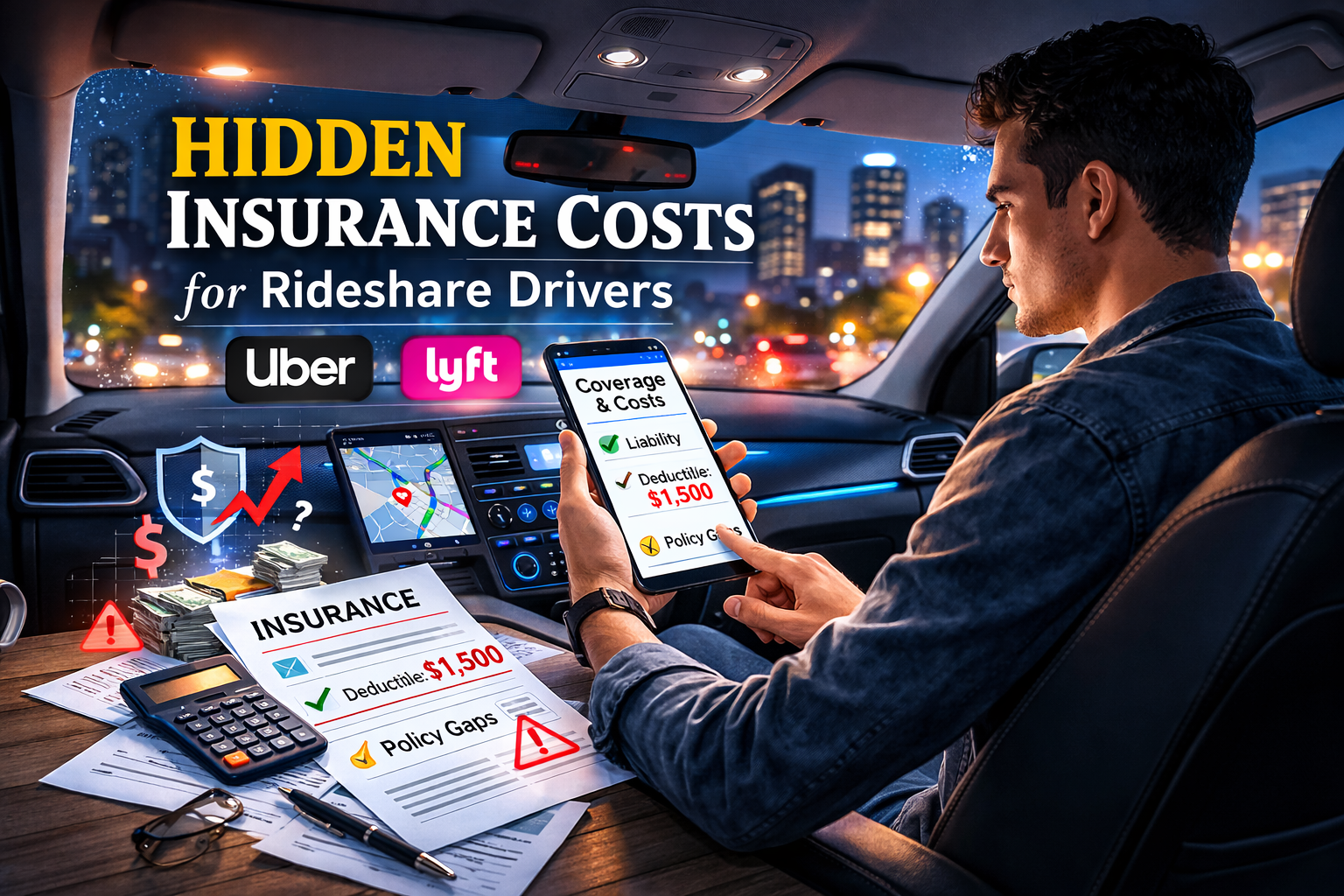
One of the most important considerations for any rideshare driver is insurance coverage. Standard personal auto insurance policies are typically designed for personal use and may not fully cover accidents that occur while driving for a rideshare company. This coverage gap is why rideshare insurance has become increasingly important.
Rideshare insurance is a specialized type of auto insurance designed to bridge the gap between personal auto coverage and the insurance protection provided by rideshare companies. It helps protect drivers financially while they are using rideshare apps and transporting passengers.
This guide explains how rideshare insurance works, what it covers, how Uber and Lyft insurance policies operate, and how drivers can choose the right protection.
Why Personal Auto Insurance May Not Be Enough
Many drivers assume their personal car insurance policy covers all driving activities.
Unfortunately, that is often not the case.
Most personal auto insurance policies exclude commercial activities, including:
- Driving for hire
- Passenger transportation services
- Delivery services
- Business vehicle use
If an accident occurs while a driver is actively working for a rideshare platform, the personal insurer may deny the claim.
Without proper coverage, drivers could be responsible for:
- Vehicle repairs
- Medical expenses
- Liability claims
- Legal costs
Rideshare insurance helps address this potential coverage gap.
Understanding Uber and Lyft Insurance Periods
Insurance coverage for rideshare drivers depends on what stage of the trip the driver is in.
Most insurers divide rideshare activity into three periods.
Period 1: App On, Waiting for a Ride Request
The driver has activated the Uber or Lyft app but has not yet accepted a ride request.
This period often presents the largest insurance gap.
Many personal auto policies do not cover accidents during this stage because the vehicle is being used for commercial purposes.
Rideshare insurance endorsements are commonly designed to provide protection during this period.
Period 2: Ride Accepted, En Route to Passenger
Once a ride request is accepted and the driver is traveling to pick up the passenger, rideshare company insurance coverage generally becomes active.
Coverage may include:
- Third-party liability protection
- Contingent collision coverage
- Contingent comprehensive coverage
Specific limits vary by platform and jurisdiction.
Period 3: Passenger in Vehicle
When a passenger is in the vehicle and until the ride is completed, rideshare companies typically provide their highest levels of insurance protection.
Coverage often includes:
- Liability coverage
- Uninsured motorist protection
- Collision coverage (subject to conditions)
- Comprehensive coverage
However, drivers should understand that company-provided coverage may still have limitations and deductibles.
What Does Rideshare Insurance Cover?
Coverage varies by insurer, but rideshare insurance commonly includes several important protections.
Liability Coverage
Liability coverage helps pay for injuries or property damage caused to others when the driver is at fault.
Covered expenses may include:
- Medical bills
- Property damage
- Legal defense costs
- Settlement expenses
Liability protection is one of the most important components of any rideshare insurance policy.
Collision Coverage
Collision insurance helps pay for repairs to the driver’s vehicle following a covered accident.
This coverage may apply regardless of fault, subject to deductibles and policy limits.
Comprehensive Coverage
Comprehensive insurance covers non-collision losses such as:
- Theft
- Vandalism
- Fire
- Flood damage
- Falling objects
- Severe weather events
Drivers who rely on their vehicles for income often benefit from comprehensive protection.
Uninsured and Underinsured Motorist Coverage
Not all drivers carry sufficient insurance.
This coverage may help pay expenses if an accident is caused by:
- Uninsured drivers
- Hit-and-run motorists
- Underinsured drivers
Why Rideshare Insurance Matters
Driving for Uber or Lyft increases the amount of time spent on the road.
More driving generally means greater exposure to risk.
Potential risks include:
- Traffic accidents
- Passenger injuries
- Vehicle theft
- Liability lawsuits
- Property damage claims
A single uncovered accident could result in thousands of dollars in expenses.
Rideshare insurance helps reduce these financial risks.
The Coverage Gap Problem
One of the primary reasons rideshare insurance exists is to address coverage gaps.
Consider this example:
A driver activates the Uber app and waits for ride requests in a busy downtown area.
Before receiving a passenger request, the driver causes an accident.
The personal auto insurer may deny the claim because the vehicle was being used for business purposes.
Meanwhile, rideshare company coverage may be limited during this period.
Without rideshare insurance, the driver could face significant out-of-pocket costs.
A rideshare endorsement helps bridge this gap and provides continuous protection.
Rideshare Insurance vs. Commercial Auto Insurance
Many drivers wonder whether they need a full commercial auto insurance policy.
The answer depends on driving activity.
Rideshare Insurance
Best for:
- Uber drivers
- Lyft drivers
- Part-time gig workers
- Occasional rideshare operators
Advantages include:
- Lower premiums
- Coverage gap protection
- Integration with personal policies
Commercial Auto Insurance
Best for:
- Taxi services
- Limousine operators
- Delivery fleets
- Businesses using multiple vehicles
Commercial auto policies generally provide broader protection but are often significantly more expensive.
For many rideshare drivers, a rideshare endorsement is the more practical option.
How Much Does Rideshare Insurance Cost?
Several factors affect pricing.
Location
Insurance rates vary by state and city.
Urban areas often experience higher premiums due to:
- Traffic congestion
- Accident frequency
- Theft rates
Driving History
Insurers review:
- Accidents
- Traffic violations
- Previous claims
Drivers with clean records generally receive lower rates.
Vehicle Type
Premiums may vary depending on:
- Vehicle value
- Repair costs
- Safety features
- Theft risk
Driving Frequency
Drivers who spend more time on rideshare platforms typically face higher exposure and potentially higher premiums.
Who Needs Rideshare Insurance?
Rideshare insurance is recommended for nearly anyone earning income through transportation platforms.
This includes:
Uber Drivers
Whether driving full-time or occasionally, Uber drivers can benefit from coverage gap protection.
Lyft Drivers
Lyft drivers face similar insurance risks and often require specialized coverage.
Multi-App Drivers
Drivers working for multiple rideshare services may have increased exposure and should ensure continuous protection.
Part-Time Gig Workers
Even occasional rideshare activity can create coverage concerns under personal auto policies.
Tips for Choosing the Best Rideshare Insurance Policy
Before purchasing coverage, consider the following:
Review Existing Policies
Understand what your personal auto policy covers and excludes.
Compare Multiple Insurers
Coverage options and pricing vary significantly between insurance providers.
Examine Deductibles
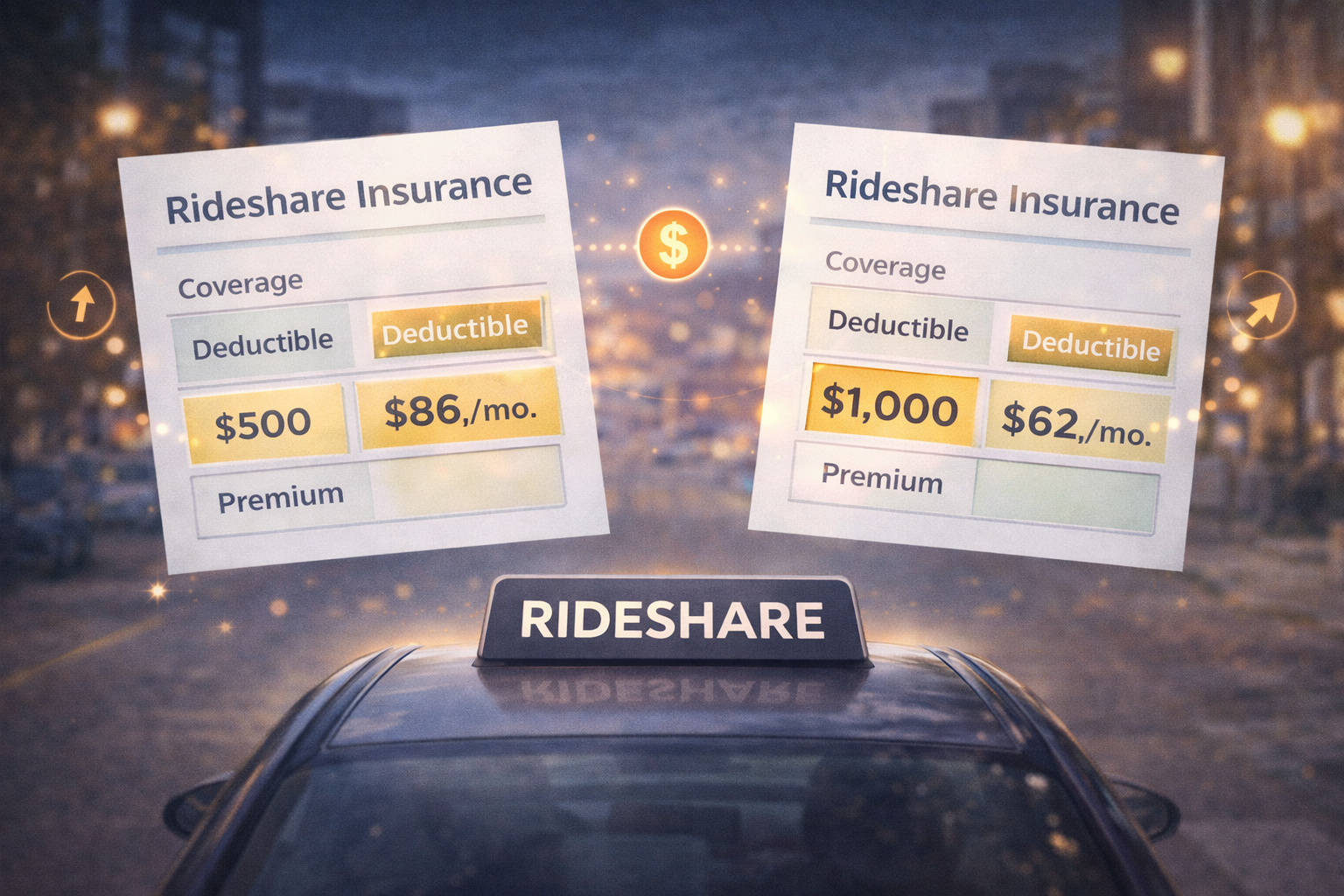
Lower premiums often come with higher deductibles.
Choose an amount you can comfortably afford.
Understand Company Coverage
Review Uber and Lyft insurance policies to identify potential gaps.
Evaluate Additional Protection
Some drivers may benefit from:
- Roadside assistance
- Rental reimbursement
- Gap insurance
- Enhanced liability limits
Common Mistakes Rideshare Drivers Make
Avoid these common errors:
- Assuming personal insurance automatically covers ridesharing
- Failing to disclose rideshare activity to insurers
- Ignoring coverage gaps
- Purchasing insufficient liability limits
- Focusing only on price instead of coverage quality
Proper planning can help prevent costly surprises after an accident.
The Future of Rideshare Insurance
As ridesharing continues to grow, insurance products are evolving.
Emerging trends include:
- Usage-based insurance programs
- Telematics pricing models
- Integrated gig-economy insurance products
- Expanded digital claims processing
Drivers can expect increasingly flexible coverage solutions tailored to gig work.
Final Thoughts
Rideshare insurance is an essential protection tool for Uber and Lyft drivers across the United States. While rideshare companies provide some insurance coverage, important gaps may still exist between personal auto insurance and company-sponsored protection.
A dedicated rideshare insurance policy or endorsement can help protect drivers from financial losses related to accidents, liability claims, vehicle damage, and uninsured motorists. Whether you drive occasionally for extra income or work full-time in the gig economy, the right insurance coverage can provide valuable peace of mind and financial security.
Before hitting the road, take time to review your current policy, understand rideshare company coverage, and compare rideshare insurance options to ensure you have the protection you need.
Related Articles You May Find Helpful