
Driving for Uber, Lyft, and other rideshare platforms has become one of the most popular ways to earn extra income in 2026. However, many drivers still do not fully understand how rideshare insurance works or why it is important.
Standard personal auto insurance policies often do not provide full protection while driving for a rideshare company. This creates a dangerous coverage gap that can leave drivers financially exposed after an accident.
Understanding rideshare insurance is essential for anyone working in the gig economy.
## What Is Rideshare Insurance?
Rideshare insurance is a special type of coverage designed for drivers who work for services like Uber and Lyft. It helps bridge the gap between personal auto insurance and the limited coverage provided by rideshare companies.
Without rideshare insurance, drivers may face situations where neither their personal insurer nor the rideshare company fully covers an accident.
## Why Personal Auto Insurance Is Not Enough
Most personal car insurance policies are designed for private use only. Once a driver turns on a rideshare app and begins accepting passengers, the vehicle is considered to be used for commercial activity.
This means a standard policy may deny claims related to:
– accidents during rideshare activity
– passenger injuries
– liability claims while waiting for ride requests
This is one of the biggest reasons rideshare insurance has become increasingly important.
## How Uber and Lyft Insurance Works
Uber and Lyft provide limited insurance coverage, but the protection depends on the driver’s app status.
### Period 1 – App On, Waiting for Ride Request
Coverage during this phase is usually limited. This is also the period where many coverage gaps occur.
### Period 2 – Ride Accepted
Once a driver accepts a ride request, rideshare company coverage increases significantly.
### Period 3 – Passenger in Vehicle
During active trips, Uber and Lyft generally provide their highest liability coverage limits.
However, deductibles and limitations may still apply.
## What Does Rideshare Insurance Cover?
A rideshare insurance policy may include:
– liability protection
– collision coverage
– comprehensive coverage
– uninsured motorist coverage
– medical payments coverage
Coverage options vary by insurance company and state.
## Who Needs Rideshare Insurance?
Rideshare insurance is recommended for:
– Uber drivers
– Lyft drivers
– food delivery drivers
– gig economy workers
– part-time rideshare drivers
Even occasional rideshare drivers can face denied claims without proper coverage.
## How Much Does Rideshare Insurance Cost?
The cost of rideshare insurance depends on:
– driving history
– location
– vehicle type
– coverage level
– annual mileage
In many cases, adding rideshare coverage to an existing auto policy is more affordable than drivers expect.
Compared to the financial risk of an uncovered accident, rideshare insurance is often considered a smart investment.
## Best Features To Look For
When comparing rideshare insurance policies, drivers should focus on:
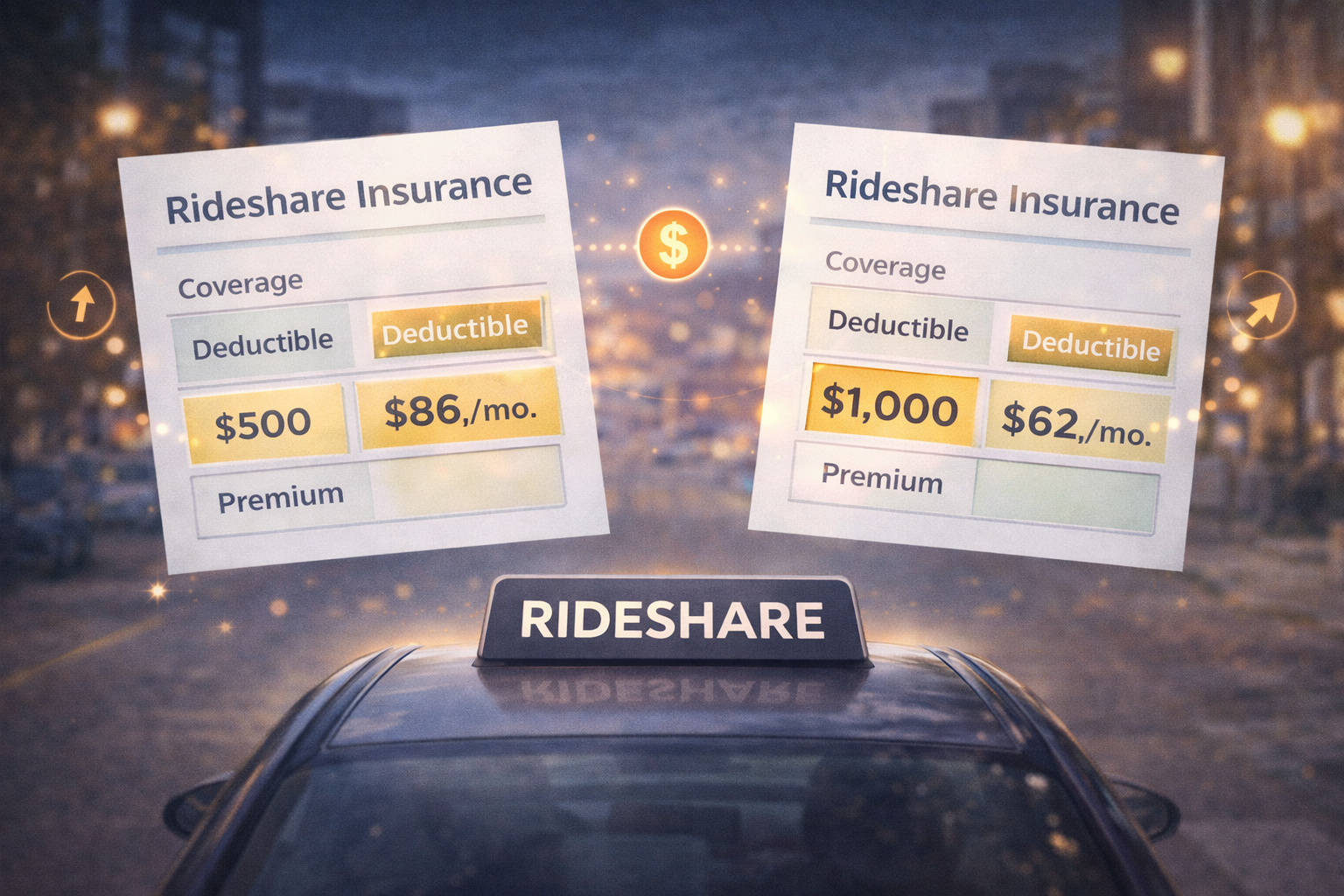
– low deductibles
– strong liability protection
– coverage during all app periods
– fast claims support
– compatibility with Uber and Lyft requirements
Some insurers also offer bundle discounts for combining rideshare coverage with personal auto insurance.
## Why Rideshare Insurance Matters More in 2026
The gig economy continues to grow rapidly. Millions of people now rely on:
– Uber
– Lyft
– DoorDash
– food delivery apps
– freelance transportation services
As more drivers enter the market, insurance companies are expanding rideshare-specific products to meet demand.
At the same time, accident costs and legal claims continue to rise, making proper coverage more important than ever.
## Common Mistakes Drivers Make
Many rideshare drivers assume the platform’s insurance fully protects them. Unfortunately, this is not always true.
Common mistakes include:
– relying only on personal auto insurance
– misunderstanding Uber or Lyft coverage periods
– choosing minimum liability limits
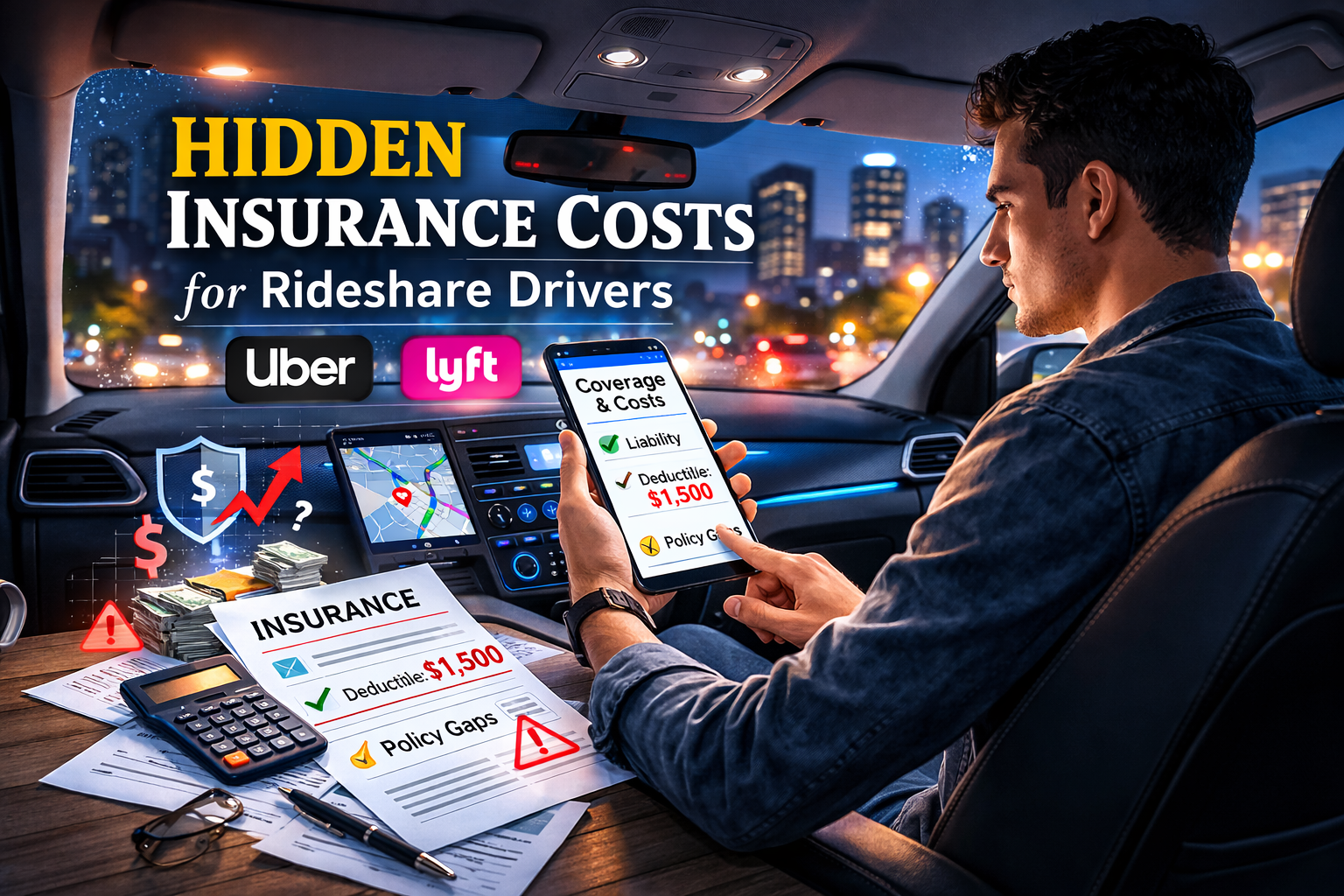
– ignoring deductible amounts
These mistakes can lead to expensive out-of-pocket costs after an accident.
## Final Thoughts
Rideshare insurance is one of the most important protections for Uber and Lyft drivers in 2026. Standard auto insurance policies often leave dangerous gaps, while rideshare coverage helps drivers stay financially protected during every stage of a trip.
Whether you drive part-time or full-time, understanding your insurance options can help you avoid major risks and continue earning safely in the growing gig economy.
Related Articles You May Find Helpful