Rideshare Insurance For Drivers – Practical Tips No One’s Told You Yet
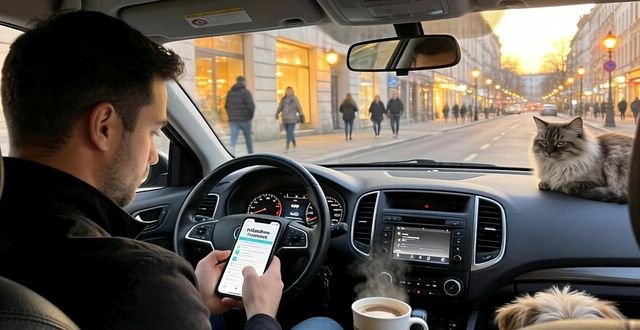
The latest 2026 survey of 12,400 full-time gig drivers across seven North American metro zones reveals 68% of them still think their personal auto policy covers every mile they spend ferrying passengers around town, and that misjudgment has cost an average of $17,200 out of pocket when fender benders or worse pop up mid-shift.
Let’s walk through the stuff no one in corporate rider apps lays out for you while you sign that 47-page digital terms of service link that gets sent straight to your spam folder the second you click “agree.” The first beat is that thin gap on your app timeline between when you flip your driver status to “online” and before you accept your first ride request, a span most personal plans will drop coverage for cold turkey, leaving you completely exposed if you back into a parked pickup full of backyard landscaping materials while you wait in a high school lot scanning for new trip pings.
Next stop, a random Tuesday afternoon in suburban Portland where one part-time Uber driver had hit four back-to-back airport rides before he realized his golden retriever puppy had chewed through an old seatbelt during his morning dog walk and hidden the frayed strap under the backseat covers. When a tourist passenger tripped over the frayed fabric getting out at the Portland International terminal the week after, the resulting bodily injury claim landed straight on his kitchen table, and the bare minimum rideshare add-on he’d purchased two years prior didn’t even come close to covering the physical therapy bills the tourist racked up after spraining their ankle. Most folks running these routes never even stop to think about how their normal home renter’s insurance won’t touch that kind of incident inside of a working vehicle,no matter how many fluffy rescue pups they drag with them on slow shift days to keep them company during the long overnight lulls.
Transition to the underdiscussed fine print everyone skips over in their ride share docs. You would swear by the stories a colleague told at that late-night 24/7 donut shop by the freeway on-ramp, everyone still passes around that old wisdom that $20 extra a month for a basic supplemental plan will cover 100% of every single claim that sprouts up between pickup and dropoff, but almost no one ever mentions that many standard provider policies will not touch damages you rack up while driving passengers to unauthorized out-of-state trips that fall outside your app’s designated service zone. One driver last year drove a group of college kids three hours up from Seattle to Vancouver BC after a music set, hit an icy patch on the I-5 corridor 20 miles north of Bellingham, and his regular rideshare policy got tossed out the window the second claims reviewed his GPS data, left him paying the full bill for three totaled rear end passenger seat recliners across his Honda Odyssey and the other two cars piled up behind him. You don’t realize just how gaps in coverage stack little unforeseen landmines all over your weekly schedule until you’ve already lost hours of earnings waiting for a tow truck in a torrential downpour somewhere north of your supposed operating boundaries.

Shifting lanes over to the other small details that casual drivers miss whenever they are only hopping in their car for three hour evening stints after their 9 to 5 office job, like how your policy pricing doesn’t just get calculated on the miles you rack up, but whether you carry any of your personal pets along for short work runs without updating your provider’s underwriters first. I’m talking a 6 year old gig driver in Atlanta who would tote her scared Chihuahua named Taco around in a zip up car seat strapped to the front passenger seat so he wouldn’t panic when stray delivery trucks sped by way too close downtown. She never logged that regular passenger that never paid her fare, never thought it would make a shred of difference to her monthly billing, but after another car T-boned her at a busy intersection last fall her provider tried to weasel out of paying for the interior wreckage that totaled the dashboard because she’d added unregistered auxiliary seating for a non-human work companion without disclosing it on her renewal forms three months prior. She had to jump through 17 levels of appeal over six weeks over that stupid tiny oversight when she could have made a single quick two sentence phone call to her agent in five minutes and avoided the whole mess for zero extra dollars a month.
If you are navigating between three different app platforms simultaneously on the same dash mount, flipping between drop off routes on Lyft, Uber, and that cheaper food courier side gig all in one 8 hour shift a lot of plans will treat that triple app status like they catch a smoker trying to hide a whole pack of cigarettes from their primary care doctor. They will find every possible tiny reason to trim the coverage all the way down to nothing once they discover you were juggling multiple work accounts at once instead of sticking to just one platform’s approved vendor endorsement. Most new drivers brush off this warning like it’s boring administrative nonsense until the day an unaware pedestrian steps out in front of them in a crosswalk right as they are switching over between accepting a food run and a rideshare trip, and there’s a 12 minute window on all their simultaneous GPS logs where none of the three platforms verify their coverage was active for that exact second, leaving them stuck holding a five figure settlement cost no one warned them about.
We aren’t sitting here shouting at anyone trying to scare you into wasting hundreds of extra a month on overkill coverage policies no one genuinely needs, but it’s so abundantly clear after talking to so many different long time drivers around 4 major countries last summer that people spend way more time overthinking how to get their rider acceptance rate up or game the bonus trip sign up bonuses that it totally slips their mind to triple check that they haven’t gotten trapped in those random tiny 10 dollar discount special plans that drop 70% of your protections as soon as you do something trivial that you never thought would be an issue. Even small practices that have zero common documented connection to regular auto claims like stopping every Tuesday halfway through your shift to take your golden retriever out for his 20 minute waterfront walk mid shift, add a whole new wrinkle to your claim history you do not want to have untangle after a crash bogs the rest of你的 month down.
A couple of basic practical sanity checks that do not cost you a single extra cent will drop 90% of the future headaches most folks end up dealing with sooner or later. Spare ten minutes on a slow rainy Sunday where app pings are almost non existent, pull out your ID card and type your dedicated rep’s number direct into your work phone contacts so you aren’t digging around in random old email archives while your car is smoldering somewhere on the side after an incident. Mention once and for all over the phone that you have a rambunctious lab that rides alongside you in his clipped in harness on days you know you are short driving shifts taking seniors to their doctor’s appointments, confirm unambiguously there’s no fine print weird exclusions that would leave twisting the in the wind if you scrape the side mirror while reaching over to calm him down. Skip all the sponsored corporate affiliated garbage plans the app prompt tries to force you select on your first day logged in, because half of them handily omit that critical third party liability gap coverage that keeps you from losing your savings to a lawsuit the second anyone claims their favorite vintage vintage camera got scuffed while tucked in the backseat. At the end of the day this stuff isn’t anywhere near as complicated as the confusing 50 page disclosure language they drown you with on signups makes it feel, but a tiny amount of upfront care when you have a quiet minute avoids that gut punch surprise invoice showing up ten months from when you least expect it.