Rideshare Insurance in Texas: Don’t Skip This
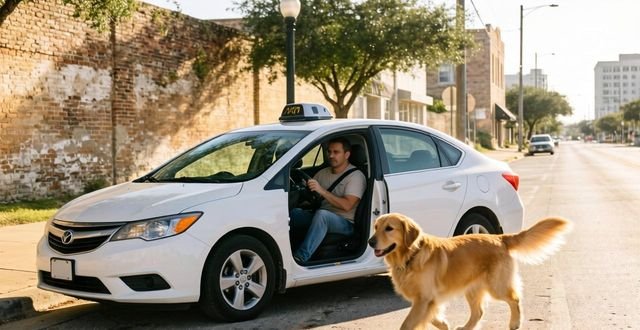
So you’ve signed up to drive for Uber or Lyft in Texas. The money looks good, the freedom feels even better, and you’re ready to hit the road. But here’s something most new drivers don’t think about until it’s way too late: your personal auto policy almost definitely won’t cover you the second you turn that app on.
Let me walk you through a Tuesday evening in Houston. You’re heading to pick up a passenger, it’s raining lightly, and someone runs a red light. Totaled car, broken ribs, and the other driver has minimum coverage. You file a claim with your own insurance company, and they ask one question: “Were you driving for a rideshare company at the time?” You say yes, and just like that, your claim is denied. Denied. Not reduced, not delayed – denied. Because in Texas, personal auto policies have what’s called a “livery exclusion.” That’s a fancy way of saying no commercial activity, ever.
Now you’re staring at twenty grand in medical bills, a wrecked car, and zero help from your insurer. That’s the reality check nobody puts on a recruitment poster.
Texas law requires rideshare companies to provide some coverage, but pay close attention here because this is where the gap gets scary. When your app is on and you’re waiting for a ride request, Uber and Lyft give you only contingent liability – usually around $50,000 for injury per person. That sounds okay until you realize it doesn’t cover your own car damage or your own medical bills. Nothing for collision. Nothing for comprehensive. If a hailstorm hits Dallas while you’re waiting for a ping, your car is on you. If a deer jumps out on a dark road near Austin, that’s on you too.
Phase two starts when you accept a ride and head to pick someone up. Now the rideshare company’s policy kicks in with higher limits – typically $1 million for liability. But here’s the twist: their collision and comprehensive coverage only applies if you have that coverage on your personal policy already. And even then, there’s a deductible – usually $2,500. You read that right. Two thousand five hundred dollars out of your pocket before they pay a dime. For a lot of drivers, that’s more than their monthly rent.

This is why rideshare insurance in Texas isn’t some optional add‑on. It’s the difference between a bad day and a financially ruined year. A proper rideshare endorsement on your personal policy fills that terrifying gap during period one – when you’re online but without a passenger. It typically costs an extra twenty to forty bucks a month. That’s less than what most drivers spend on gas in two days. And it means when something goes wrong while you’re waiting for a ride, your own insurance acts as the primary coverage instead of leaving you hanging.
Think about the math for a second. A single at‑fault accident without rideshare coverage could cost you $30,000 in vehicle repairs, medical payments, and potential lawsuits. Thirty thousand. Versus $480 a year for peace of mind. Which number looks bigger on a bad Tuesday?
The smart drivers I know in San Antonio and Fort Worth don’t treat this like a boring paperwork thing. They treat it like their fuel gauge or their tire pressure – something you check before every shift. Call your current agent and ask specifically: “Does my policy have a rideshare endorsement approved for Texas?” Don’t let them say “you should be fine.” Ask for the exact form number. If they don’t offer it, switch companies. Progressive, State Farm, Allstate, and GEICO all sell rideshare endorsements in Texas. Some even offer standalone policies if you drive full time.
Here’s a pro tip from someone who’s watched too many drivers learn this the expensive way: take screenshots of your app status before every trip. Seriously. If an accident happens while you’re en route, having that timestamped proof that you were on a ride – not just online – can save you weeks of fighting with claims adjusters. And never, ever turn off the app mid‑trip to reroute for a personal errand. That tiny decision can land you right back in that terrifying gap with zero coverage.
The fear isn’t meant to paralyze you. It’s meant to move you. Because you’re already out there grinding, picking up strangers, navigating Houston’s traffic or El Paso’s construction zones. You deserve protection that actually works when you need it. A twenty‑minute phone call with an insurance agent this afternoon could save you from losing everything six months from now. Don’t wait for the rain. Don’t wait for the deer. Don’t wait for that red light runner. Get the rideshare endorsement, check your coverage limits, and drive like your financial future depends on it – because it absolutely does.