Rideshare Insurance for Women Drivers: What Nobody Tells You
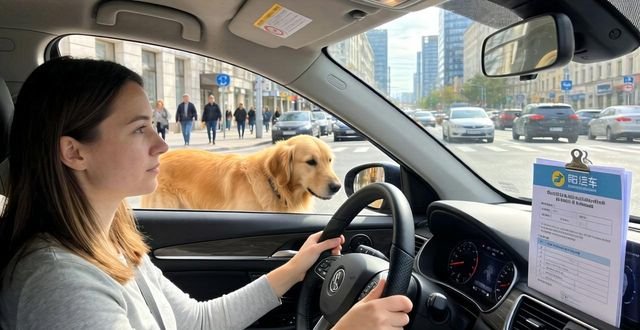
You’re already behind the wheel, three rides in, and the rain just started hammering the windshield. A deer jumps out. You swerve, clip a mailbox, and the passenger in the back lets out a yelp. Everyone is fine,but your car door now has a personality of its own. That’s when the question hits you: does your personal auto policy actually cover this?
For most female rideshare drivers, the answer is a quiet no.
Let me take you back to a conversation I had with Sophia, a part-time driver in Austin who thought she had everything figured out. She had full coverage on her Honda, a five-star rating, and a little canister of peppermint spray to keep the car fresh. One night, during a late airport run, another driver rear-ended her at a stoplight. The other guy’s insurance barely covered the dent, but here’s the twist: her own company denied the claim because she had the Lyft app open at the time. Period. No passenger in the car yet, just en route to pickup. That gray area swallowed two months of her savings.
That gray area is where most women drivers get trapped.
Here is the core truth. Regular personal auto policies almost always exclude any “livery” or “transportation network” activity. The moment you log into Uber, Lyft, or any rideshare app, you step out of your personal coverage and into three distinct phases. Phase one: app on, waiting for a match. Phase two: en route to pick up. Phase three: passenger in the car. Your personal policy stops caring after phase zero. And the rideshare company’s insurance? It’s real, but it often comes with high deductibles and gaps that favor the company, not you.
So what does a female driver actually need? Something called rideshare insurance, but not the boring kind you hear about in forums. Think of it as a bridge policy. It’s an add‑on to your personal auto insurance that fills the exact holes during phase one and phase two. In phase three, the rideshare company’s commercial policy usually takes over, but that bridge ensures you’re never standing in the rain with a crumpled fender and no one to call.
Why focus on women drivers specifically? Because the reality is different. Women often drive different hours, pick different neighborhoods, and carry a different mental load. I’ve talked to dozens of female drivers who avoid late nights not because of safety fears alone, but because they know a minor accident after 10 PM could mean a denied claim and weeks without income. That’s not paranoia. That’s pattern recognition. The insurance industry wasn’t built around a single mom doing school drop‑offs and then three airport runs before dinner. It was built around the idea of commuting and errands, not living paycheck to shift.
Here is where the double meaning slides in. You drive to earn. But without the right coverage, your driving could drive you into a corner. It’s not clever wordplay when it’s your actual bank account.

A few women I know have started treating rideshare insurance like a seatbelt. You don’t see it, you don’t think about it, but you would never start the car without it. Maria in Portland told me she paid an extra twelve dollars a month for her endorsement with a regional insurer. Twelve dollars. Then one icy morning, she slid into a curb and blew out two tires while waiting for a ride request. Her personal policy said no. The rideshare company said no because nobody was in the car. But her little bridge policy said yes. That “yes” paid for the tow and half the tire replacement. She didn’t lose a week’s worth of fares.
Twelve dollars.
If you shop around, you’ll find that not every carrier offers rideshare endorsements. Some of the big names still act like it’s 2015 and refuse to touch them. But smaller mutual companies and a few progressive names have stepped up. The trick is to call your agent and ask a very specific question: “Does my policy cover me from the moment I turn on the app until I accept a ride?” If they hesitate, you have your answer.
Another layer. Women drivers often share vehicles with partners or family members. That adds another wrinkle. If your name is on the insurance but your spouse drives for Uber on weekends using the same car, you need to check if the endorsement covers all listed drivers. Some policies say yes. Some say no with a smile. Read the fine print like it’s a text from an ex, slow and suspicious.
Let me be honest about the emotional side too. There’s a particular loneliness in being a woman on the road at 2 AM, watching your fuel gauge drop, and knowing a single mistake could leave you uninsured. That’s not dramatic. That’s the gap. And the industry has been slow to close it because the industry moves like a cruise ship. But you move like a sedan in city traffic. You can adapt faster. Get the endorsement. Pay the small extra premium. Then drive like you own the road, because for that stretch between pings, you finally do.
One last story. Chloe in Denver drives part time to pay for her daughter’s gymnastics classes. She almost skipped the rideshare add‑on because her agent said “it’s probably fine.” She didn’t listen. She added it. Three months later, a tourist opened their car door into her lane while she was heading to a pickup. No passenger. Minor damage, but the other driver fled. Her personal policy laughed. The rideshare policy shrugged. Her $9‑a‑month endorsement wrote a check for $1,400. She told me that check felt like someone finally saw her.
So here’s the takeaway without the fluff. If you drive for a rideshare company, even one day a week, you need a rideshare insurance endorsement on your personal auto policy. Call your carrier. Ask about the three phases. If they don’t offer it, switch to one that does. The money you save by skipping it is the money you’ll beg for after a fender bender. And begging is not a good look on anyone.
Drive smart. Cover the gap. And keep that peppermint spray handy anyway. It never hurts.