Rideshare Insurance Requirements You Must Know Before Driving
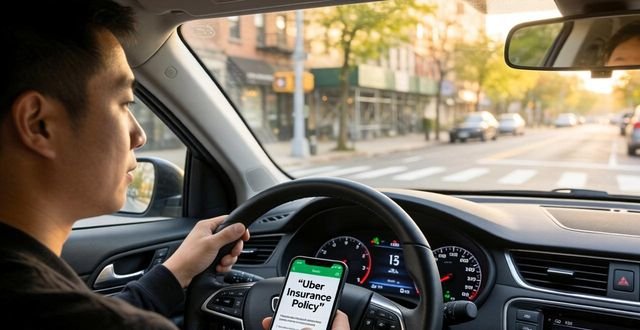
So you just signed up to drive for Uber or Lyft. That’s exciting. But have you thought about what happens to your car insurance the moment you tap “Go Online”?
Most drivers don’t. And that’s where the trouble starts.
Let me paint a quick picture. It’s Friday night. You’re driving a passenger across town. Someone runs a red light and hits you. Your personal auto policy? It will likely say “sorry, not sorry.” Why? Because nearly all standard policies have what’s called a livery exclusion. That’s just a fancy way of saying “no commercial activity allowed.”
Here’s where the confusion kicks in. People assume their personal coverage follows them everywhere. But ridesharing creates three distinct periods. Period zero is when the app is off – your personal policy works fine. Period one is when you’re online, waiting for a ride request. Period two is when you’ve accepted a trip and are heading to pick up. Period three is when the passenger is in your car.
Uber and Lyft provide their own insurance. Yes, that’s true. But here’s the catch most beginners miss. During period one, their liability coverage is usually pretty thin. Think state minimum levels. And collision or comprehensive? That’s often only available if you already have it on your personal policy, and even then, with a hefty deductible like $2,500.
So what happens if your car gets hailed on while you’re waiting for a ride request? Or a tree branch falls on it while the app is on but you haven’t accepted a trip yet? The rideshare company’s coverage won’t pay for that damage unless you have that specific endorsement. That’s where rideshare insurance requirements come into full view.
Many states now legally require drivers to carry a rideshare endorsement. But even where it’s not mandatory, skipping it is like playing poker with a house that always wins. A few major insurers like State Farm, Allstate, and Progressive offer these add-ons. The cost? Usually just an extra ten to twenty bucks a month. Compare that to paying out of pocket for a totaled car.

Let me share something from experience. A friend of mine thought he was covered. He had full coverage on his Honda. He drove for Uber part time for two years without issues. Then one night,while heading to pick someone up, he hit a deer. His personal insurer denied the claim. Uber’s policy covered the damage but after that $2,500 deductible. He had to borrow money to fix his car.
The smart move? Call your insurance agent today. Ask directly, “Do I have a rideshare endorsement?” If they say no, ask for a quote. If they don’t offer it in your state, look for another company. Some insurers also offer what’s called TNC (Transportation Network Company) policies. These are hybrid plans that blend personal and commercial coverage smoothly.
Another hidden requirement? Your personal policy might demand that you maintain it as your primary coverage. The rideshare endorsement just fills the gap. So don’t cancel your personal policy thinking the company’s insurance is enough. That’s a fast track to financial disaster.
What about carrying proof? Some states require you to keep a digital or physical copy of your rideshare insurance confirmation. Even where it’s not required, having it handy during a traffic stop saves headaches.
Let me be direct with you. The rules around these requirements change faster than gas prices. California, for example, has specific minimums that differ from Texas or New York. Always check your local laws. But the underlying truth stays the same across the country: personal auto insurance + rideshare endorsement = peace of mind. Personal insurance alone? That’s a gamble.
You wouldn’t drive without a seatbelt. Don’t drive for a rideshare company without the right coverage either. The extra few dollars each month protect you from a financial crash that could set you back years.
So before you hit the road tonight, make that one phone call. Your future self will thank you when you’re driving safely, knowing the insurance puzzle is finally solved.