What Rideshare Insurance Covers (And When You’re Still on Your Own)
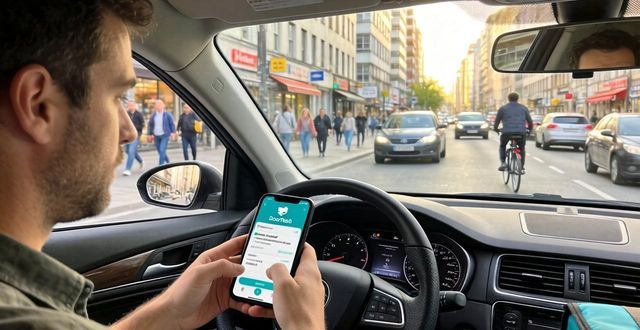
It was a rainy Tuesday evening in Chicago, and Marcus had just finished his third ride of the night. He was pulling into a gas station when a car backed out of a parking spot right into his front bumper. No passenger in the backseat, just him and his dashboard glowing with the Uber app still online. That’s when he learned the hard way that his personal auto policy and the company’s coverage had a weird, murky handoff zone.
So what does rideshare insurance actually cover? Let’s break it down like you’re sitting in a coffee shop across from someone who’s been there, filed the claim, and argued with two different adjusters.
Imagine a timeline of your workday. You turn on the Lyft or Uber app at 7 AM, but you haven’t accepted a ride yet. You’re just cruising around, hoping for a ping. During this “period one,” your personal auto insurance typically says nope, we don’t cover commercial activity. And the rideshare company? They usually provide only contingent liability. That means if you hit someone and it’s your fault, they might cover the other person’s injury or property damage, but your own car? Often zero. That’s the gap where a dedicated rideshare endorsement from your personal insurer steps in. It’s like a tiny umbrella that opens just enough to cover your car during those waiting moments.
Now, you get a ride request. Ping! You accept, and you’re heading to pick up Sarah from her apartment. This is “period two.” At this point, most major rideshare companies provide some liability coverage, usually around $50,000 for injury per person, $100,000 per accident, and $25,000 for property damage. They also offer contingent comprehensive and collision, but only if you have that coverage on your personal policy. Here’s the kicker: there’s often a deductible. A big one. Some companies set it at $2,500. You read that right. You scrape a pole while turning into a narrow driveway to pick someone up, and you might be out two and a half grand before they pay a dime.
Period three is when the passenger is in your car, and you’re driving them to their destination. This is where rideshare insurance shines brightest. The company’s commercial policy usually kicks in with full force. You get primary liability, uninsured motorist coverage, and sometimes even medical payments. But watch out for that same high deductible on physical damage to your vehicle. A driver in Austin told me he got rear-ended at a red light with a passenger in the back. The other driver fled, no insurance. His rideshare policy covered the passenger’s minor injuries and the damage to his car, but he still had to pay $2,500 out of pocket because of that deductible. He joked that he should have just backed into a pole instead, because that would have been cheaper under his personal collision coverage. Dark humor,but it sticks with you.

What rideshare insurance does not cover is also a long and painful list. It won’t cover food delivery if you also do DoorDash on the side. Different activity, different policy. It won’t cover you if you leave the app on but go pick up your kid from school and crash. That’s personal errands, not rideshare. It won’t cover wear and tear like your transmission giving out after 80,000 rides. Mechanical breakdowns are your problem. And it definitely won’t cover you if you lie about an accident or try to claim a personal trip as a rideshare trip. Insurance fraud has a way of unravelling fast in the digital age.
So here’s the real talk from someone who’s read too many claims files. If you drive even ten hours a week for Uber or Lyft, call your personal insurance agent and ask for a rideshare endorsement. It usually costs between $15 and $30 extra per month. That’s two mediocre fast food meals. For that money, you close the gap in period one and reduce your deductible headache. Some companies like State Farm, Allstate, and Progressive offer it in most states. Others still look at you like you have three heads when you mention rideshare. If your current insurer doesn’t offer it, shop around. A small monthly fee is nothing compared to the “I thought I was covered” conversation you’ll have with a claims adjuster while your car sits in a tow lot.
One more thing that catches drivers off guard. Rideshare insurance usually follows the car, not the driver. If you let your buddy use your car while your app is on, and he causes a wreck, your policy is going to have a lot of questions. Most endorsements require that you are the one driving when the app is active. Shared accounts and handoffs are a legal mess. Keep it simple: if the app is on, you better be in the driver’s seat.
Back to Marcus in Chicago. He had no rideshare endorsement. His personal policy denied the claim because he was “available for hire” even though he had no passenger. Uber’s contingent liability offered nothing for his own car. He ended up paying $4,200 out of pocket for a bumper, a headlight, and a dented hood. That was three months of his net earnings, gone. Now he tells every new driver at the airport waiting lot the same thing: “Get the endorsement. It’s boring, it’s not flashy, and you’ll never feel it until you need it. But when you need it, it’s the difference between driving again next week or taking the bus for a year.”
So when you ask what rideshare insurance covers, the honest answer is: it covers a very specific slice of your workday, under very specific conditions, with deductibles that can still hurt. The rest is on you, your personal policy, and a little piece of paper called a rideshare endorsement that costs less than a tank of gas. Don’t learn the hard way. Go make that phone call before your next shift.