Don’t let a ride wreck your wallet
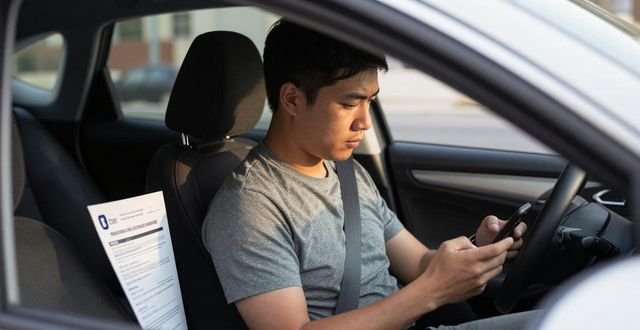
You are online. App is on. You are driving for Uber or maybe picking up a DoorDash order. That is work. But your personal car insurance does not see it that way. Most personal policies have a clear exclusion. They do not cover commercial use. So what happens if you get into an accident while you are waiting for a ride request?
That gap is where rideshare insurance comes in.
Here is the situation. You have your personal policy. The rideshare company gives you some coverage when you are actively on a trip. But what about the time in between? That period when you are logged into the app but have not accepted a ride yet. That is the danger zone. Uber and DoorDash provide liability coverage during that period. But it is often limited. And it usually does not cover damage to your own car.
So you are sitting in a parking lot. You are waiting. Another car hits you. Who pays for your repairs? Your personal insurance says no. The rideshare company says their coverage is contingent on other factors. You are stuck.
Rideshare insurance fills that specific hole. It is an endorsement you add to your personal auto policy. It costs extra. But it covers you from the moment you turn the app on until you drop off the passenger or the food. Think of it as a bridge. One side is your personal life. The other side is your work life. The endorsement connects them.
Let me give you a real example. A driver in Chicago had a DoorDash order. He was waiting for the restaurant to finish preparing the food. He was parked legally. A truck backed into his car. His personal insurance denied the claim because he was logged into the app. DoorDash said their coverage only applied if he was on an active delivery. He had no coverage for that specific moment. He paid three thousand dollars out of pocket. That is a lot of deliveries.
How do you get this insurance? You call your current insurance company. Ask them if they offer a rideshare endorsement. Not every company does. Some companies like State Farm and Progressive offer it in many states. Others like Geico do not. You might need to switch providers. The cost varies. Some drivers pay an extra fifteen to twenty dollars a month. Others pay forty. It depends on your driving record and your location.
What about Uber and DoorDash themselves? They have liability coverage. Uber has one million dollars in liability when you are on a trip. DoorDash has similar numbers. But that is for damage you cause to others. It is not for damage to your car. If you have a car loan or a lease, you need physical damage coverage. The company’s policy does not provide that unless you buy their optional coverage. And even then, it only applies during the active trip.
Here is a common question. Do I need rideshare insurance if I only drive a few hours a week? The answer is yes. The risk is still there. An accident can happen in your first five minutes online. The cost of one accident is higher than years of insurance payments. Look at the math. Twenty dollars a month for two years is four hundred eighty dollars. One accident without coverage could cost you ten thousand dollars. The choice is clear.

Some drivers try to hide their rideshare work. They do not tell their insurance company. That is a bad idea. Insurance companies can check your records. They can see your Uber or DoorDash earnings. They can deny your claim and drop your policy. Then you have a lapse in coverage. Your future rates go up. You get blacklisted by other companies. It is not worth the risk.
The best time to add rideshare insurance is before you need it. Do not wait until after an accident. Call your agent today. Ask them to explain the exact moments when you are covered. Ask them to put it in writing. Some agents do not understand rideshare endorsements. Insist on clarity. You need to know if you are covered from app on to app off.
What about delivery drivers? The rules are the same. Whether you carry people or burritos, the logic is identical. Personal insurance excludes commercial use. Rideshare endorsements cover food delivery too. DoorDash is commercial activity. Grubhub is commercial activity. Uber Eats is commercial activity. Do not assume food delivery is different. It is not.
Look at your current policy declarations page. Find the exclusions section. It probably says something about carrying people or property for a fee. That includes delivery. That includes rideshare. That includes carpool services. The language is broad on purpose. Insurance companies want to avoid paying claims.
One more thing. Rideshare insurance is not commercial insurance. True commercial policies are for fleets and taxi companies. They cost thousands of dollars a month. The endorsement is a hybrid. It assumes you do rideshare part time. If you drive full time,some companies might still offer it. Others will push you to a commercial policy. Ask your agent about your specific hours.
Some states have different rules. California and New York have stricter rideshare laws. Your personal insurance might be required to cover you during the waiting period. But do not assume that. Check your local laws. Even in those states, having the endorsement gives you extra protection. It avoids arguments with your insurer.
The process is simple. Call your insurance company. Say these exact words: I drive for Uber and DoorDash. I want to add a rideshare endorsement to my personal auto policy. If they say no, start shopping. Compare three or four companies. Get quotes with and without the endorsement. The price difference is small compared to the risk.
Do not let a ten dollar monthly saving cost you a ten thousand dollar loss. The endorsement is cheap peace of mind. It turns off that voice in your head that worries about every mile. You can drive with confidence. You can focus on the road instead of your insurance status. That is worth the extra cost.
So here is the bottom line. Personal insurance does not cover rideshare. Company coverage has gaps. The endorsement fills those gaps. Get it before you need it.