Washington Rideshare Insurance Rules: What Drivers Need to Know
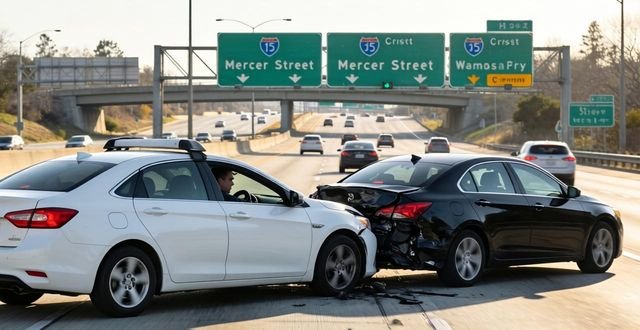
You’re waiting at the SeaTac airport lot, app on, ready to pick up your next passenger. It’s a typical Tuesday night. Then, bam. A driver backs into your door. Now what?
Here’s the thing most new drivers don’t realize. Your personal auto policy is basically useless the moment you log into that rideshare app. I learned this the hard way back when I first started driving for Uber in Seattle.
So what actually changed in Washington state? Let me break it down period by period.
Period 0. You open the app but haven’t accepted a ride yet. This is the tricky zone. Washington law requires you to carry what’s called contingent comprehensive and collision coverage. Your personal policy? It’s sleeping. The rideshare company gives you limited liability here, but that’s it. No damage to your own car unless you have rideshare endorsement.
Period 1. You accepted a ride. Headed to pick them up. Now the rideshare company’s commercial policy kicks in more fully. Liability coverage goes up to one million dollars. That sounds huge, right? But wait. Your own car’s physical damage? Still only covered if you have that specific rideshare add-on.
Period 2. Passenger is in your car. This is fully covered under the company’s commercial policy. One million liability, contingent comp and collision subject to a deductible. Usually around $2,500. Ouch.
I talked to a driver in Spokane last month. She thought her State Farm personal plan would protect her. Then she got into a fender bender while heading to a pickup. Claim denied. Why? She didn’t have the rideshare endorsement. Cost her over four grand out of pocket.
The rule is actually pretty simple. Your personal insurance excludes any commercial activity. Washington State law says ridesharing is commercial. So you need either a rideshare endorsement added to your personal policy or a separate commercial policy.
Progressive, Allstate, Geico, they all offer rideshare endorsements now in Washington. Costs about fifteen to thirty dollars extra per month. That’s nothing compared to what you’d pay without it.
Some drivers try to game the system. They think, well, I’ll just not tell my insurer I was driving. Bad move. Insurance companies share data with rideshare apps. They know when you’re logged in. Claims get investigated. Fraud is fraud.

Here’s a real scenario. You’re driving on I-5 near the Dome. App on, no ride accepted yet. Someone rear-ends you at the Mercer Street exit. The other driver has no insurance. Now you need collision coverage. Your personal policy says no. The rideshare company says we only provide contingent coverage if you carry your own comp and collision. You don’t have it. You’re stuck.
Washington State requires all rideshare drivers to maintain insurance that meets these phased requirements. It’s not optional. The Washington Utilities and Transportation Commission checks. Your app can get suspended if you don’t provide proof.
What about when your personal policy offers rideshare but only up to a limit? Read the fine print. Some endorsements only cover the gap between your personal coverage and the company’s coverage. Others provide primary coverage in Period 0. Know the difference.
I use a simple checklist now. Carrying my own comp and collision? Yes. Added rideshare endorsement? Yes. Know my deductible for each period? Yes. Does my endorsement cover Period 0 and Period 1? Yes. Took me about twenty minutes on the phone to set up. Saved me from potential bankruptcy.
Your insurance agent might not mention rideshare unless you ask. Mine didn’t. She sold me a great personal policy but never asked if I drive for any app. You have to bring it up yourself.
Drivers in Vancouver, WA face the same rules. Same for Bellingham, Tacoma, Olympia. The whole state follows the same phased liability structure.
Think about late nights after the Kraken game. Demand is high. You’re taking ride after ride. App never off. That means you’re constantly transitioning between periods. One moment you have no coverage for your own car damage. Next moment you have a $2,500 deductible. That’s the reality.
So before you hit the road tomorrow, call your insurance company. Ask for their rideshare endorsement. If they don’t offer it, switch to one that does. It takes one hour. It costs less than a full tank of gas. And it turns that empty feeling in your stomach into something solid.
That driver I mentioned earlier? She switched to Geico with rideshare added. Now she drives from Everett to Bellevue without that constant worry in the back of her mind. The rules aren’t going to change. Your coverage can.